The Ultimate Guide to Outdoor LED Display: Technology, Applications, Selection & ROI
1. What Is an Outdoor LED Display and How Does LED Display Outdoor Work?
What Is an Outdoor LED Display Used For
An outdoor LED display is a highly luminous, weather-resistant digital screen designed specifically to deliver crystal-clear, visible content even under direct, intense sunlight. The biggest difference between this technology and ordinary screens is its operating environment; a true LED display outdoor is engineered with robust IP-rated waterproofing and ultra-high brightness, meaning it thrives in harsh outdoor elements rather than being confined to a climate-controlled indoor room.
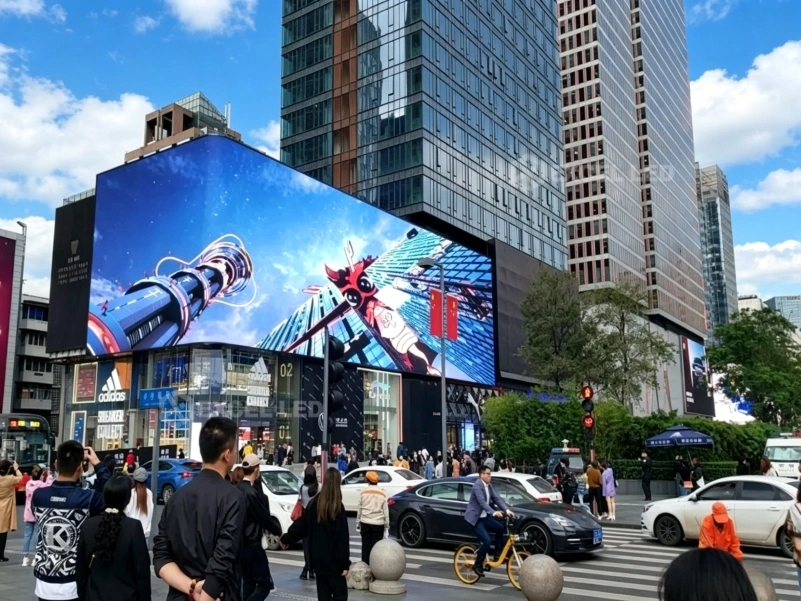
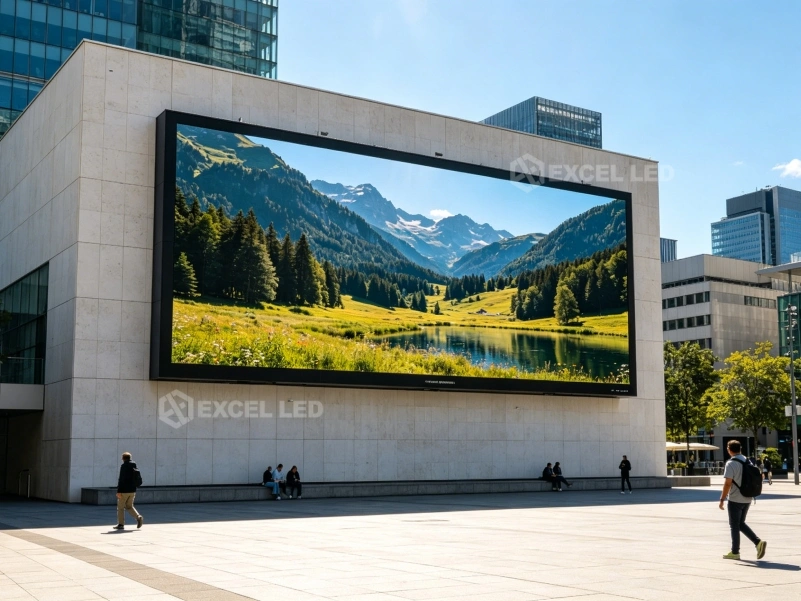
Typically, these massive screens serve three core purposes: commercial advertising, public information dissemination, and impactful brand display. Picture yourself driving down a bustling highway or looking up at the exterior wall of a premium shopping mall—those giant, vibrant digital billboards capturing your attention from miles away are classic examples of LED displays outdoor in action. Because of this unmatched visibility, durability, and ability to grab consumer attention, an increasing number of enterprises are abandoning traditional static print media in favor of these dynamic LED solutions.
How Does an Outdoor LED Display Screen Work
To understand the magic behind the screen, you first need to look at the LED pixel structure. Each pixel on the screen is made up of tiny Red, Green, and Blue (RGB) light-emitting diodes. Instead of rendering microscopic close-up details like a smartphone, outdoor LED display screens use a “viewing from a distance” imaging logic. When you step back from the screen, your human eye and brain naturally blend these thousands of glowing RGB dots into one cohesive, stunning image.
Behind the scenes, the entire operation is managed by a sophisticated control system, primarily consisting of a sending card (which processes the video signal) and receiving cards (which tell the diodes what colors to show). This seamless communication allows a full color outdoor LED display to smoothly broadcast high-definition videos, dynamic advertisements, and real-time content without missing a frame. Furthermore, unlike traditional LCDs that rely on a backlight panel to push light through pixels, an outdoor LED screen display is entirely self-illuminating. Every single diode generates its own light, which is exactly why an LED display screen outdoor can achieve far superior contrast and brightness levels.
Why Choose Full Color Outdoor LED Display Instead of Traditional Screens
When planning a digital signage project, businesses generally compare three types of equipment: LED, LCD, and traditional projection. Let’s break down why an outdoor full color LED display dominates the competition across three crucial dimensions:
Brightness Limitations: Projectors completely wash out in daylight, and LCD screens struggle heavily with screen glare. A full color outdoor LED display, however, easily reaches extreme brightness levels (often 6,000 to 10,000 nits), cutting right through direct noon sunlight.
Seamless Splicing: Large LCD video walls are plagued by thick bezels and grid-like seams that ruin the viewing experience. LED modules, by contrast, interlock flawlessly to create a 100% seamless, continuous visual canvas of any size.
Environmental Adaptability: Neither projectors nor standard LCDs can survive rain, dust, or extreme temperature swings. LED cabinets are built specifically for the outdoors, featuring excellent heat dissipation, dustproofing, and heavy-duty waterproof ratings.
In the highly competitive advertising industry, these advantages mean everything for maximizing ROI and audience engagement. The real-world selection logic is remarkably simple: if your project is outdoors and you need guaranteed high-impact visibility, you choose LED 100% of the time. But with so many variations on the market, how do you determine the exact specifications for your specific needs? We will dive deeper into detailed technical comparisons and selection guides in the following chapters.
2. Why Outdoor LED Display Screens Are the Best Choice for Outdoor Advertising?
As traditional print billboards fade into the background, digital technology has completely taken over the out-of-home (OOH) advertising landscape. But what exactly makes these luminous screens the ultimate choice for advertisers and business owners? It all comes down to four unbeatable advantages: extreme brightness, rugged durability, massive visual impact, and long-term cost efficiency.
Why Outdoor LED Display Screens Have High Brightness
When evaluating an LED outdoor display screen, brightness is usually the first and most critical metric discussed. In the display industry, brightness is measured in “nits”—the standard unit of luminance. While typical indoor LCDs max out between 500 and 1,500 nits and easily wash out near windows, a dedicated outdoor LED video display boasts an incredible brightness range of 5,000 to 10,000 nits.
What does this mean in a real-world scenario? It means that even under direct, glaring sunlight at high noon, the visual content remains vivid, punchy, and crystal clear. For advertisers, this high-brightness capability is non-negotiable; it guarantees maximum advertising exposure and ensures your marketing message is never compromised by the sun’s glare.
Why Outdoor LED Display Panels Are Weatherproof and Durable
Mother nature is unforgiving, which is why every outdoor LED display panel is built to military-like standards. The gold standard for these screens is an IP65 rating (or higher), meaning the front of the screen is completely protected against dust ingress and powerful water jets from any direction.
Structurally, an LED display panel outdoor utilizes fully sealed cabinets and anti-corrosion materials to protect the delicate internal electronics. Whether it is facing:
Torrential rainstorms and high humidity
Abrasive dust and sandstorms
Scorching summer heat or freezing winter temperatures
A high-quality LED outdoor display panel is designed to withstand it all. This superior environmental adaptability ensures that the screen continues to operate stably over the long term, providing 24/7 reliability without the need for constant repairs.
Why Large Outdoor LED Display Screens Attract More Attention
Size matters in the advertising world. Large outdoor LED display screens deliver an unparalleled visual impact that instantly grabs the attention of both pedestrians and high-speed drivers. Because LED technology is modular, individual cabinets can be seamlessly spliced together to build massive, borderless screens of virtually any shape or size.
This makes them the perfect choice for high-end brand advertising and iconic city landmark projects (like Times Square). A giant LED wall screen display outdoor provides an exceptionally long viewing distance. When you combine this massive scale with striking 3D animations or high-definition dynamic video content, the visual magnetism is simply undeniable, drawing far more eyeballs and generating a deeper emotional connection than static billboards ever could.
Why LED Outdoor Displays Have Long Lifespan and Low Power Consumption
Investing in commercial digital signage requires a clear calculation of Return on Investment (ROI). Fortunately, LED outdoor displays are incredibly cost-effective over their lifecycle. High-quality light-emitting diodes boast an impressive lifespan of 50,000 to 100,000 hours, allowing the screen to run continuously for up to a decade.
Furthermore, modern LED technology integrates smart energy-saving features. For example, light sensors enable automatic brightness adjustment—dimming the screen at night or on cloudy days to save power, and ramping up during sunny afternoons. Compared to traditional advertising forms like fluorescent light boxes that require constant bulb replacements and consume massive amounts of electricity, LED screens offer significantly lower long-term operating and maintenance costs.
3. Common Applications of Outdoor LED Display Screens and LED Display Outdoor
The versatility of LED technology has transformed cityscapes worldwide. Depending on the specific business goal—whether it is maximizing advertising revenue, enhancing a live event, or managing smart city traffic—different industries deploy these screens in highly strategic locations.
Outdoor LED Display Board for Commercial Advertising
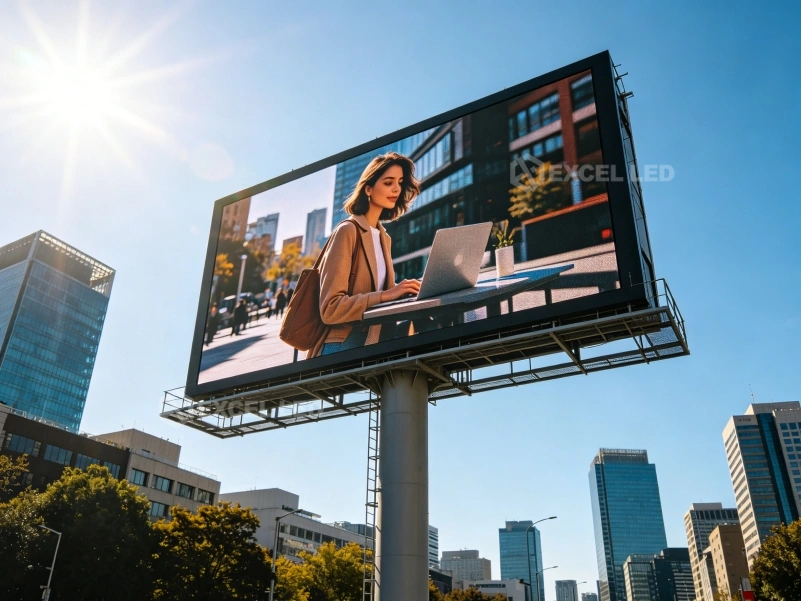
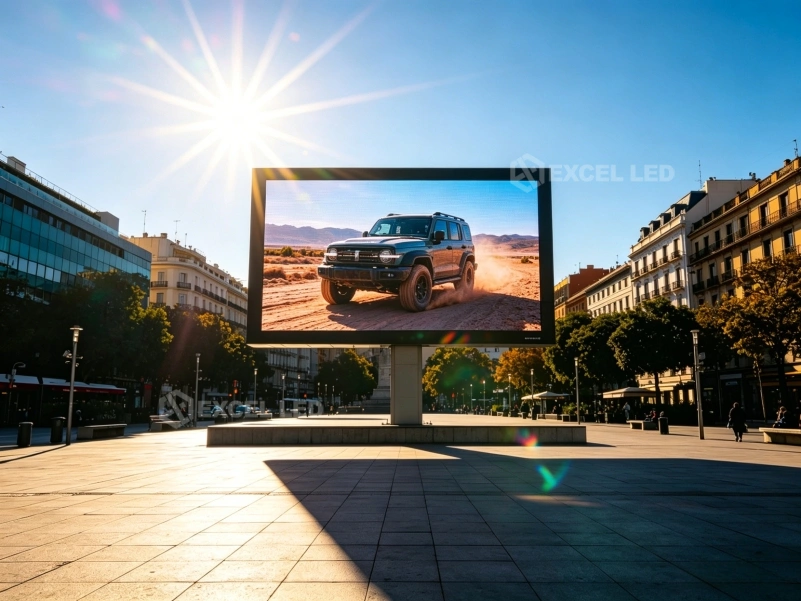
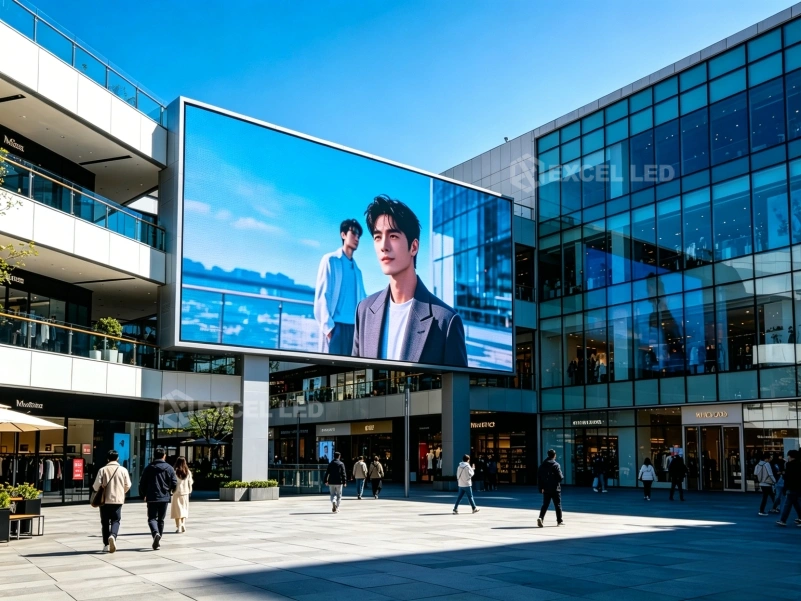
Digital Out-Of-Home (DOOH) advertising is undeniably the most prominent market for this technology. You will frequently see a massive outdoor LED display board towering over busy highways, dominating urban commercial intersections, or mounted on the sides of high-rise buildings. Brands invest heavily in these prime locations for maximum visibility.
For media companies and commercial property owners, investing in an outdoor LED video display unlocks a highly lucrative “ad space rental profit model.” Unlike a static paper billboard that can only host one client per month, a digital screen can rotate dozens of high-paying video advertisements every few minutes. This dynamic capability dramatically accelerates the Return on Investment (ROI), turning a piece of hardware into a continuous, 24/7 cash-generating asset.
Outdoor Rental LED Display for Live Events and Exhibitions
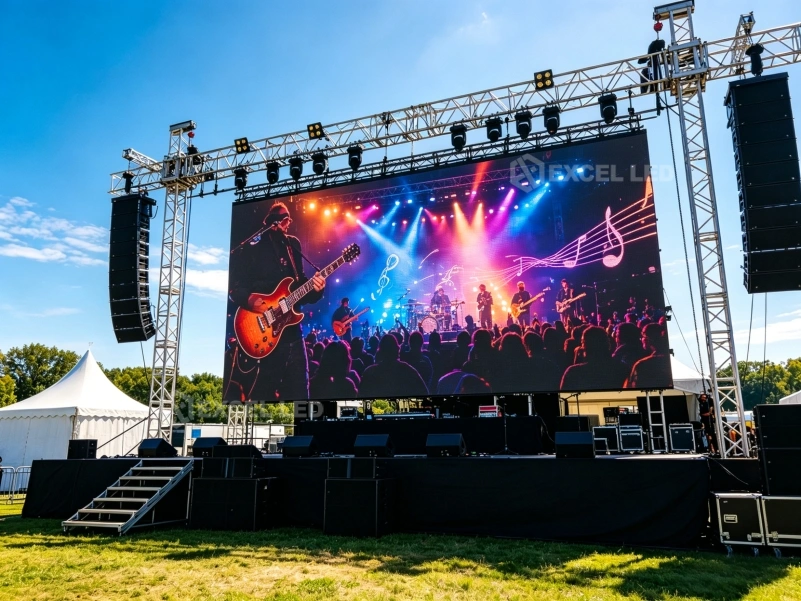
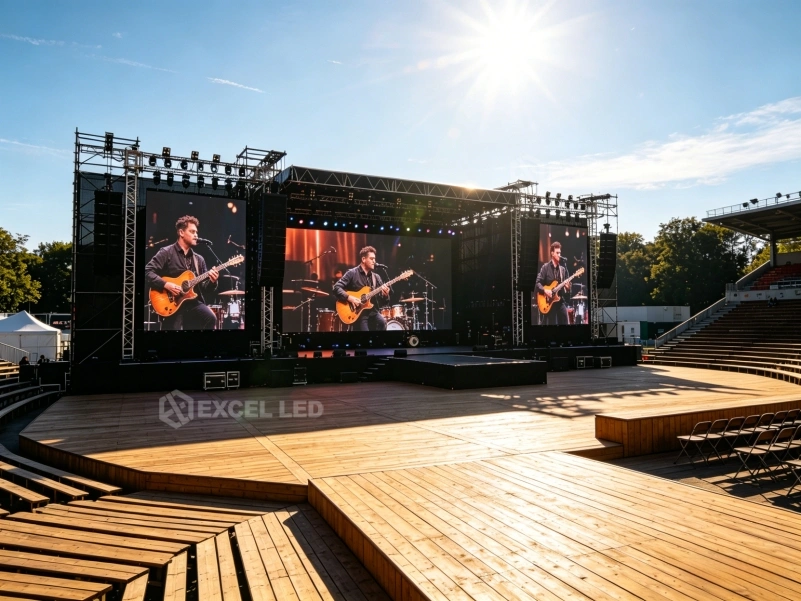
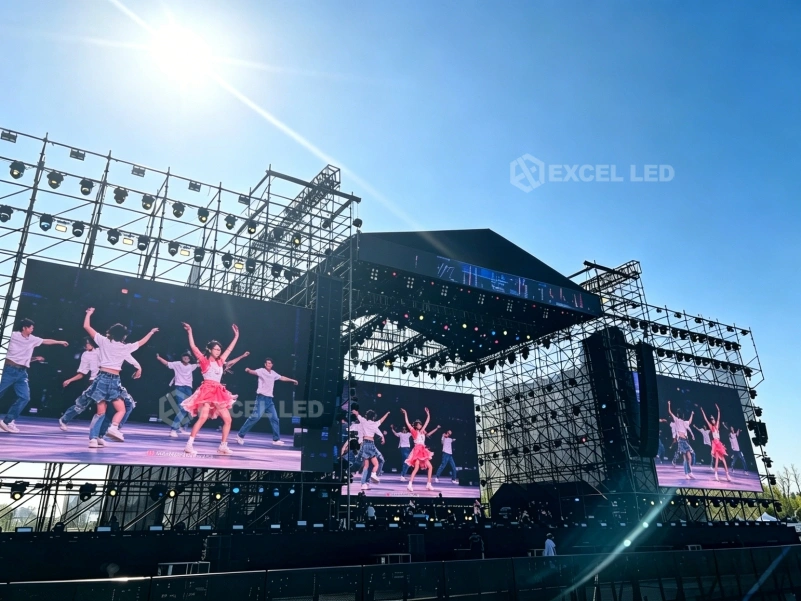
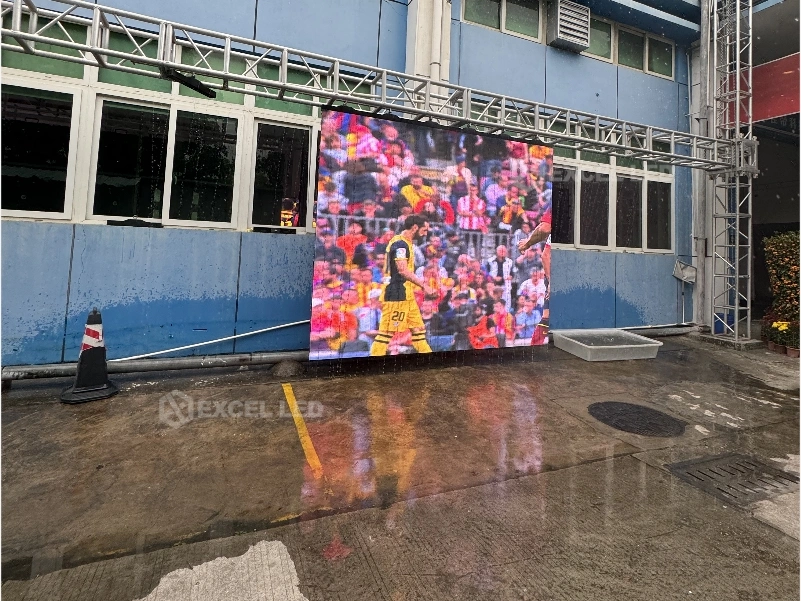
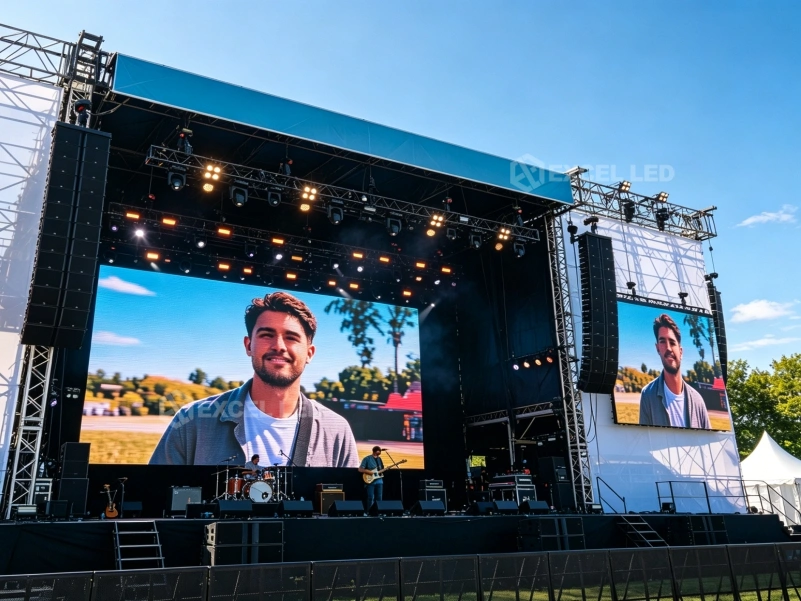
Live entertainment and massive public gatherings require spectacular visual support, which is exactly the domain of an outdoor rental LED display. These screens are indispensable for outdoor music concerts, international trade exhibitions, and live sports events (such as stadium perimeter screens).
Because event setups are temporary, these screens are engineered specifically for mobility. They feature lightweight die-cast aluminum cabinets and fast-locking mechanisms that allow staging crews to achieve rapid installation and dismantling. Furthermore, these screens are equipped with ultra-high refresh rates (often 3840Hz or higher), ensuring that when professional broadcast cameras or smartphones film the stage, the digital background remains completely flicker-free.
LED Wall Screen Display Outdoor for Retail
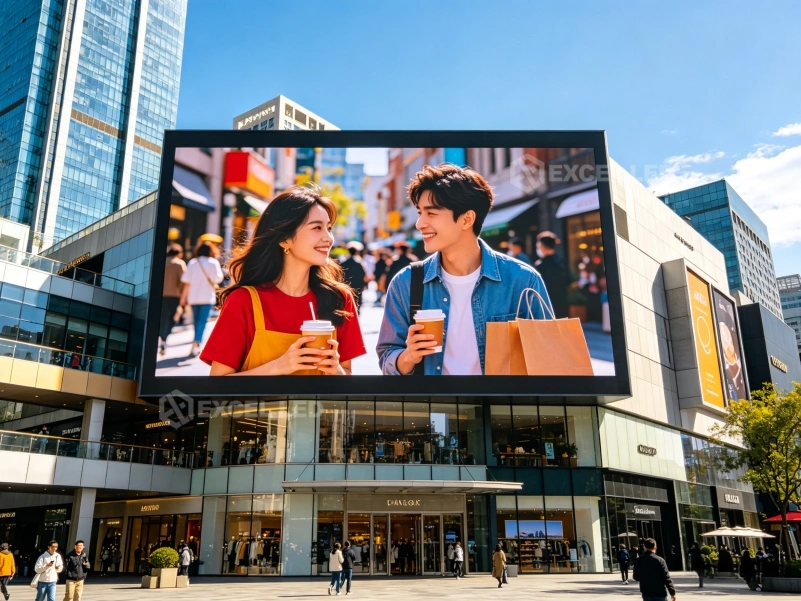
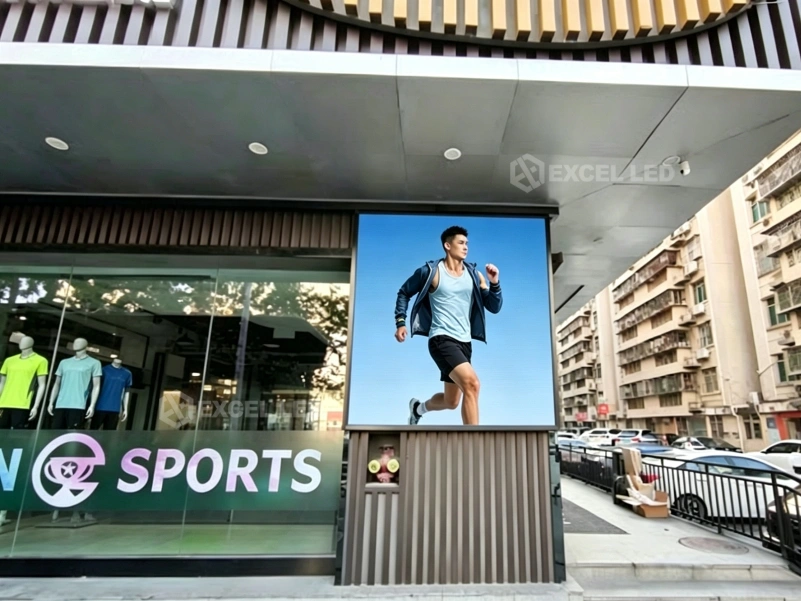
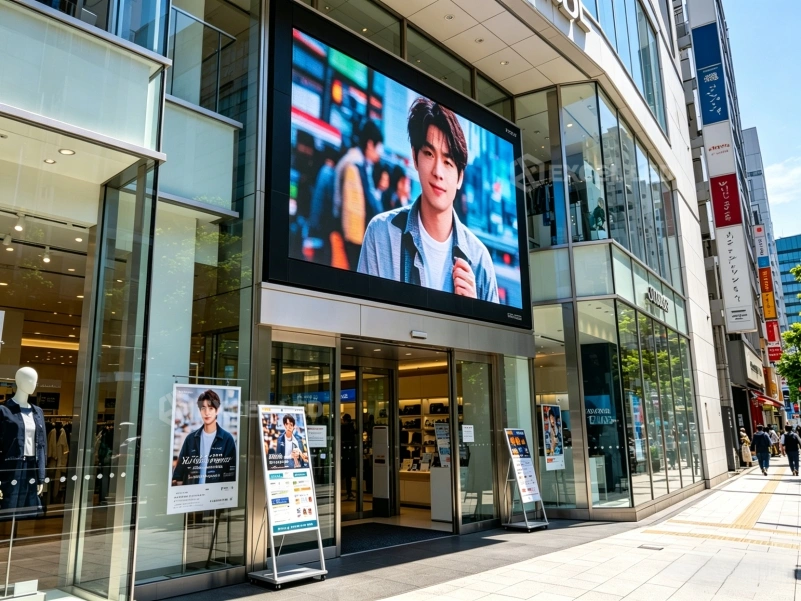
In the fiercely competitive retail sector, grabbing a pedestrian’s attention within seconds is critical. Today, installing an LED wall screen display outdoor above a premium shopping mall entrance or across the facade of a brand flagship store is a proven strategy for advanced visual marketing.
Serving as a high-tech digital storefront, a vibrant LED display outdoor instantly elevates a brand’s premium image. More importantly, dynamic video campaigns—such as naked-eye 3D product showcases, interactive fashion shows, or flashing seasonal promotions—are scientifically proven to be vastly superior to static posters at capturing the human eye, successfully drawing more foot traffic right into the store.
LED Outdoor Display Screen for Public Information
Beyond commercial profit, municipalities and government bodies heavily rely on the LED outdoor display screen for civic communication and smart city infrastructure. These reliable displays are widely deployed on intelligent highways as Variable Message Signs (VMS) to provide drivers with real-time traffic updates, speed limits, and accident warnings.
Additionally, you will find them in city squares, public transit hubs, and outside government buildings used for official announcements, weather updates, and emergency public alerts. Because their content can be updated instantly via a centralized cloud network, they are the most efficient and visually effective tool for distributing critical real-time data to the general public.
4. What Are the Different Types of Outdoor LED Displays?
The digital signage market is not a one-size-fits-all industry. Depending on architectural requirements, project duration, and specific visual goals, manufacturers have developed various specialized screens. Understanding the different types of screens available is crucial for making the right investment.
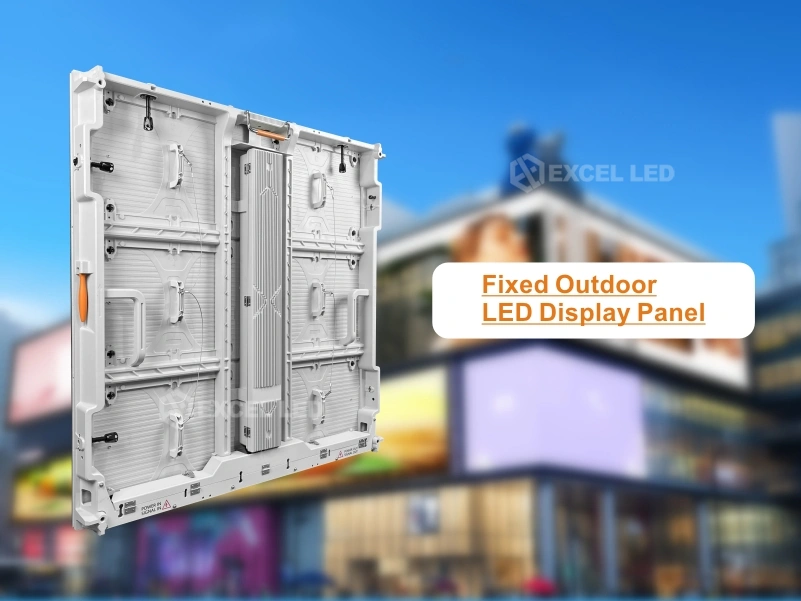
Fixed Outdoor LED Display Panel
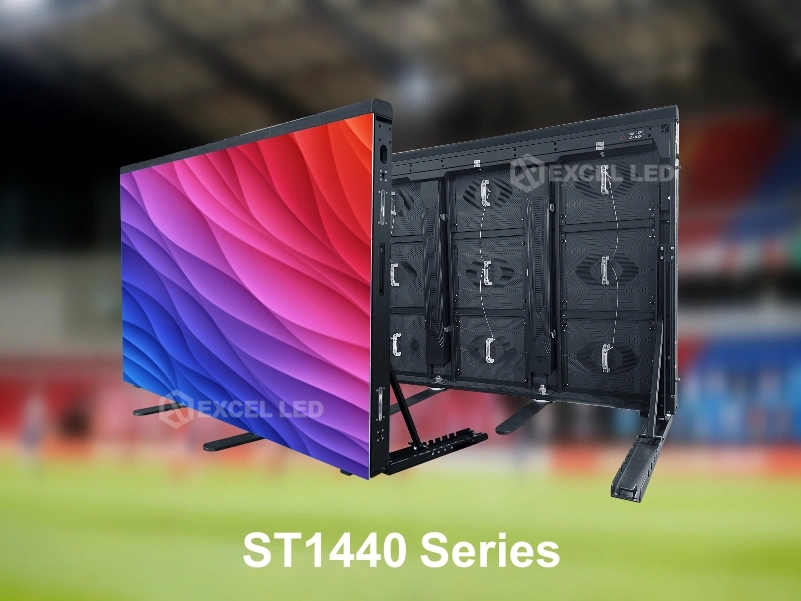
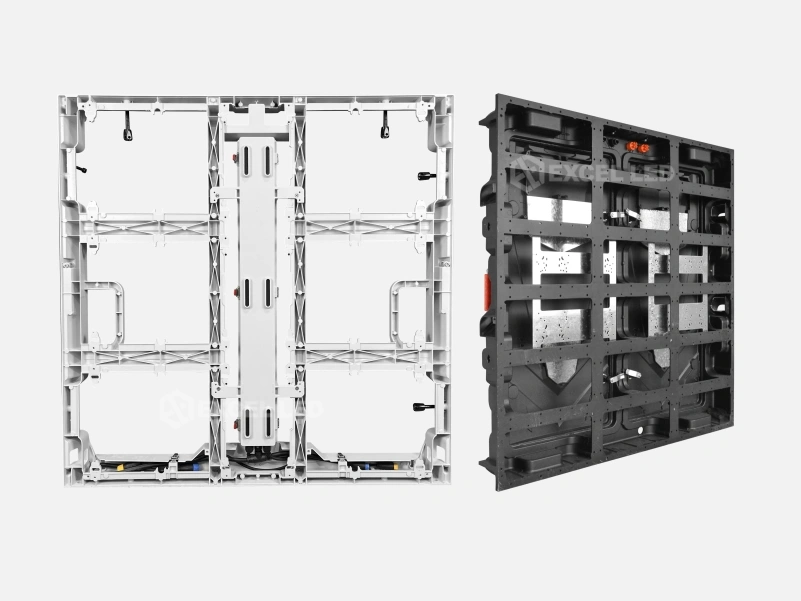
As the name suggests, a fixed installation is designed to stay in one permanent location for years. Made with heavy-duty iron or aluminum cabinets, these outdoor LED display panels boast incredible structural stability to withstand prolonged exposure to harsh weather conditions.
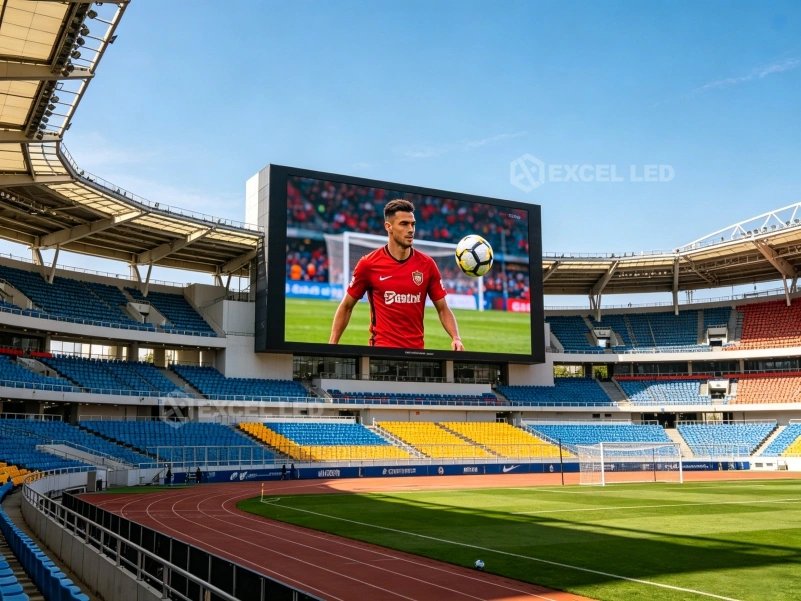
Because they do not require the lightweight materials or complex fast-locking hardware needed for frequent moving, a standard outdoor LED panel display is generally more cost-effective upfront compared to mobile alternatives. They are the absolute standard for long-term commercial advertising, highway billboards, and permanent stadium scoreboards, providing a highly reliable and low-maintenance digital asset.
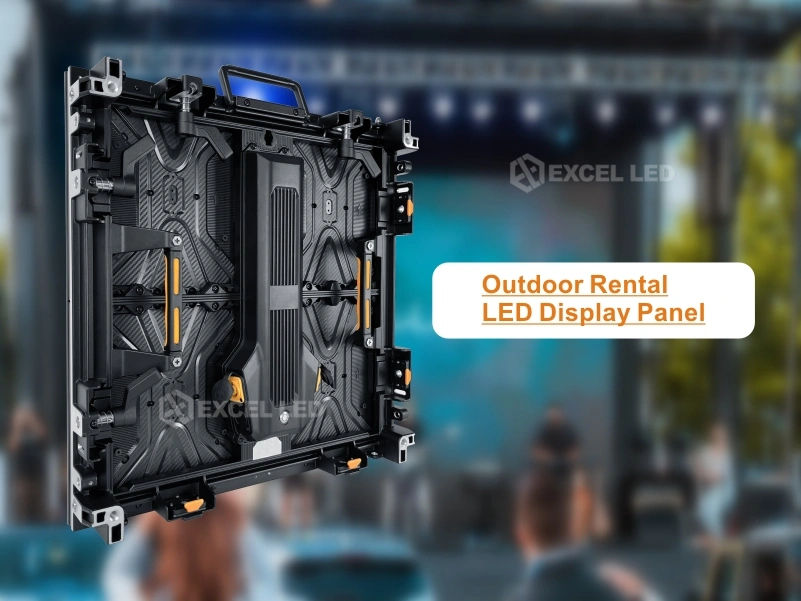
Outdoor Rental LED Display and How It Works
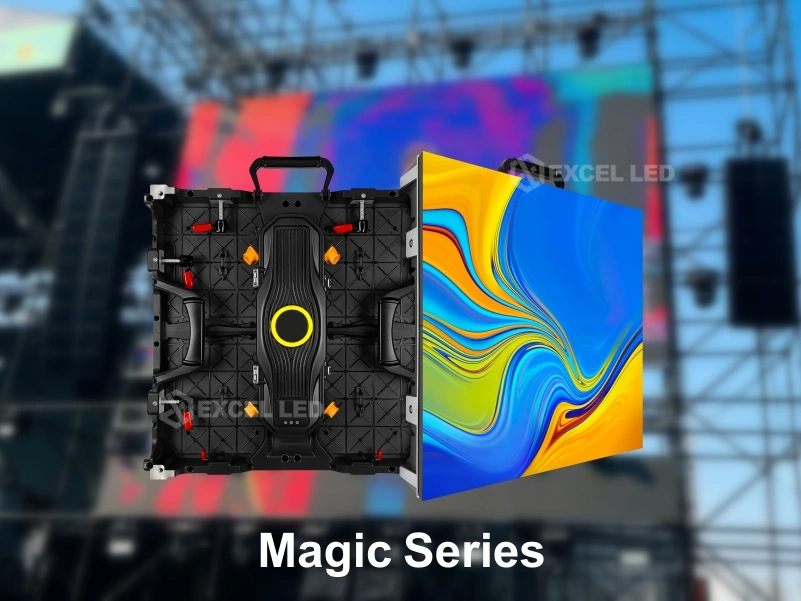
If your business involves organizing live concerts, touring exhibitions, or temporary staging events, an outdoor rental LED display is the exact solution you need. Unlike permanent fixtures, rental screens prioritize mobility and speed.
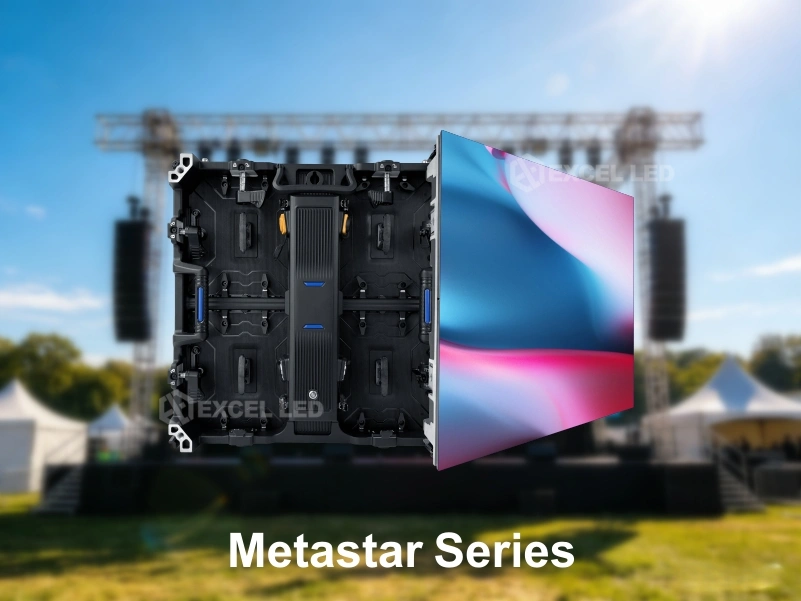
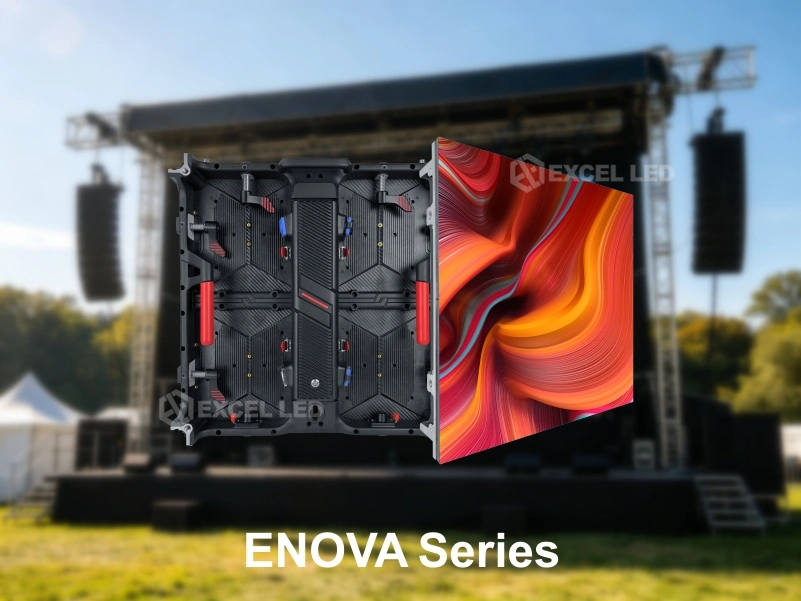
How does it work? The cabinets are manufactured from ultra-lightweight die-cast aluminum and are equipped with advanced fast-lock mechanisms on the edges. This smart structural design allows a small technical crew to seamlessly snap the panels together or dismantle a massive stage background in a matter of hours. Additionally, these screens are highly durable against frequent packing into flight cases for transportation, making them the most versatile LED display outdoor for the dynamic events industry.
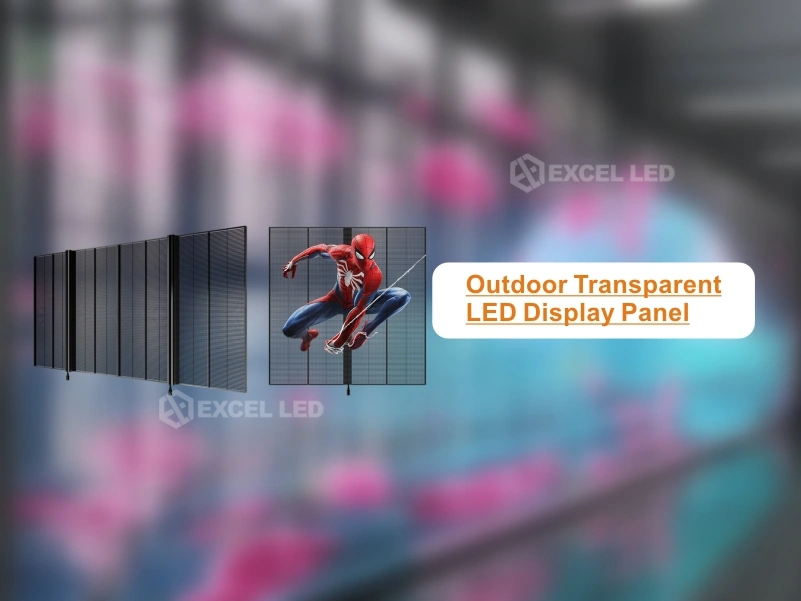
Outdoor Transparent LED Display
When modern architecture meets digital advertising, the outdoor transparent LED display takes the spotlight. These innovative screens utilize a louvered or mesh-like design that achieves up to 70-80% transparency.
The biggest advantage here is that the display does not block natural sunlight from entering the building, nor does it ruin the exterior architectural aesthetics when turned off. They are heavily favored for high-end commercial applications, specifically behind massive glass curtain walls of luxury retail stores, auto showrooms, and corporate skyscrapers, delivering a futuristic, holographic-like visual effect.
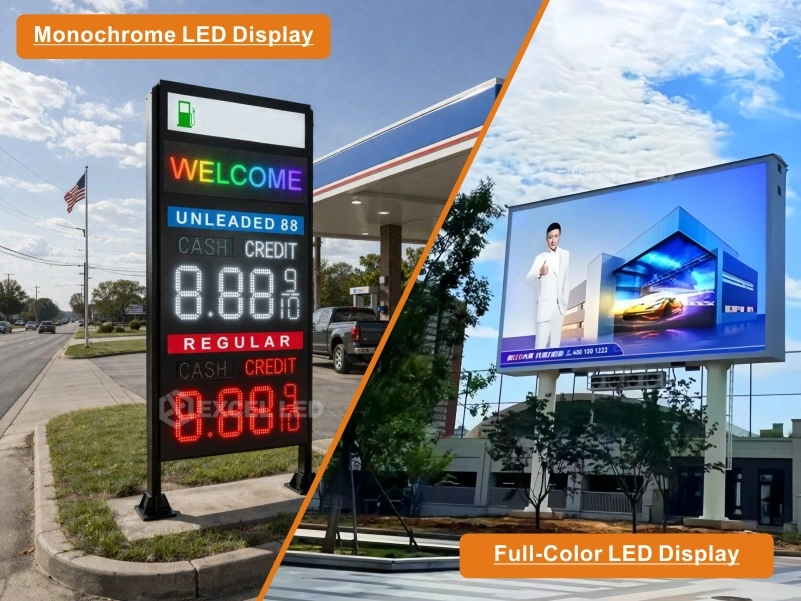
What Is a Full Color Outdoor LED Display vs Basic Display
When browsing technical specifications, buyers often see differences in color capabilities. A basic display (often single-color or dual-color, using only red, amber, or green diodes) is strictly used for simple text or scrolling messages, such as toll booth signs, gas station price boards, or basic public announcements.
In stark contrast, a full color outdoor LED display incorporates Red, Green, and Blue (RGB) diodes in every single pixel, allowing it to produce billions of vibrant color combinations. While basic screens only show text, an outdoor full color LED display acts like a giant outdoor television. It is fully capable of broadcasting high-definition dynamic videos, 3D animations, and complex visual advertisements, making it the undeniable core of modern digital marketing.
5. How to Choose Pixel Pitch for Outdoor LED Display Screens?
Once you have decided on the type of screen for your project, the next most critical technical decision is selecting the right resolution. In the display industry, this is determined by a metric known as “Pixel Pitch.” Understanding this concept is the key to balancing visual performance with your project budget.
What Is Pixel Pitch in LED Display Screen Outdoor
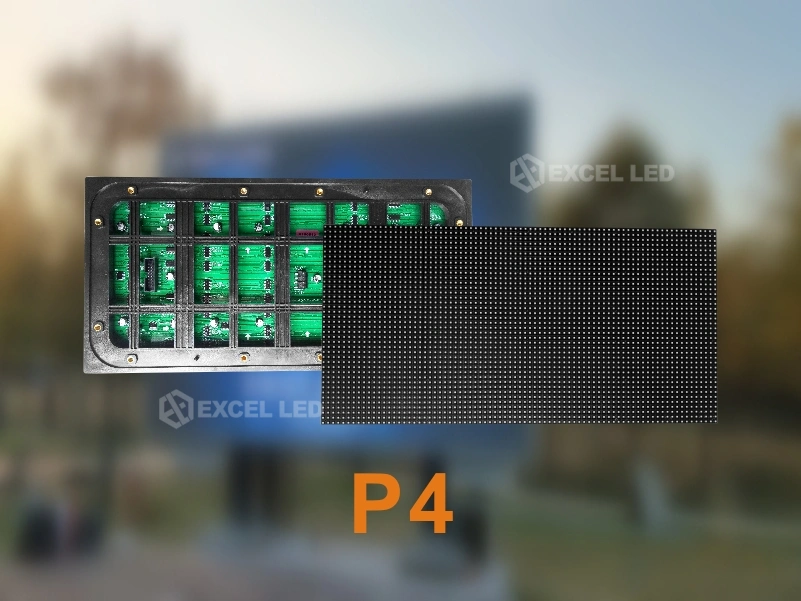
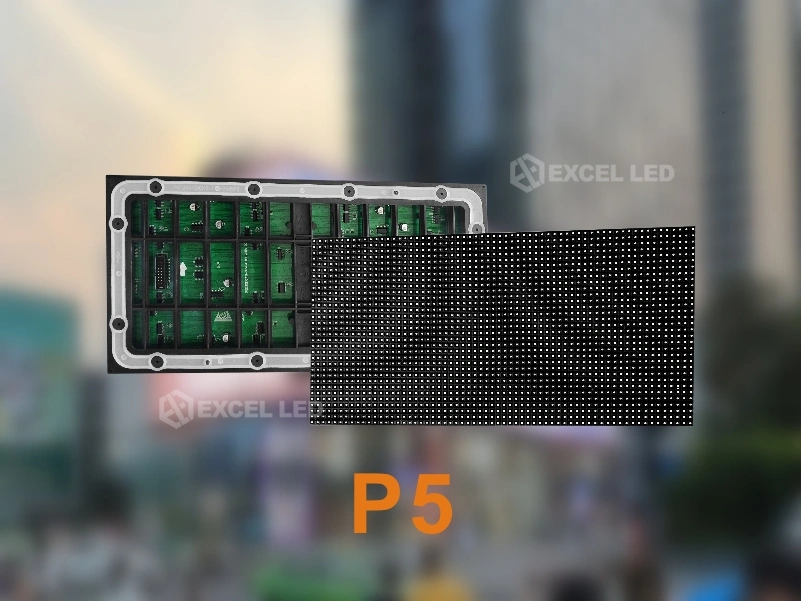
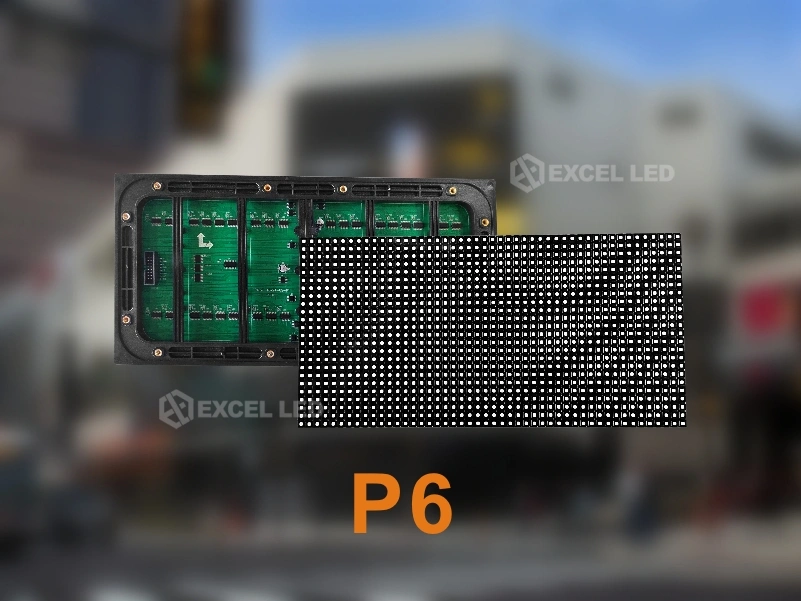
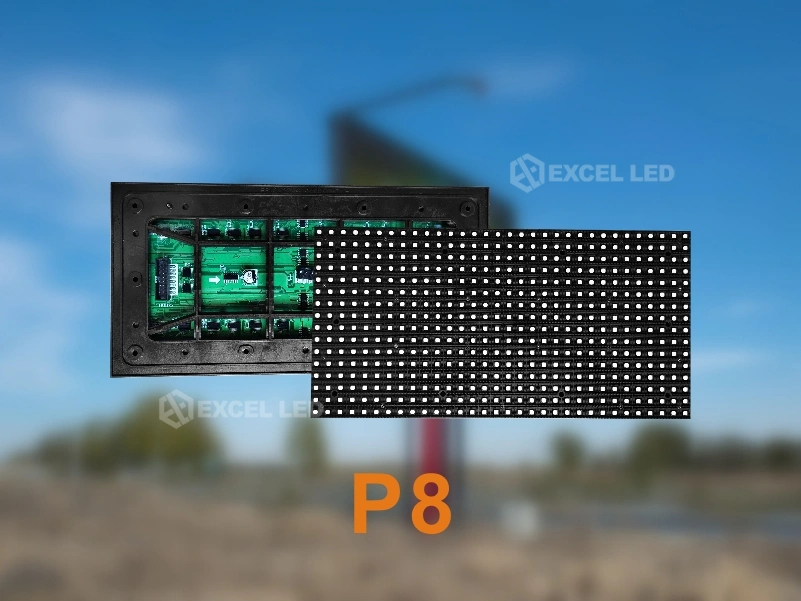
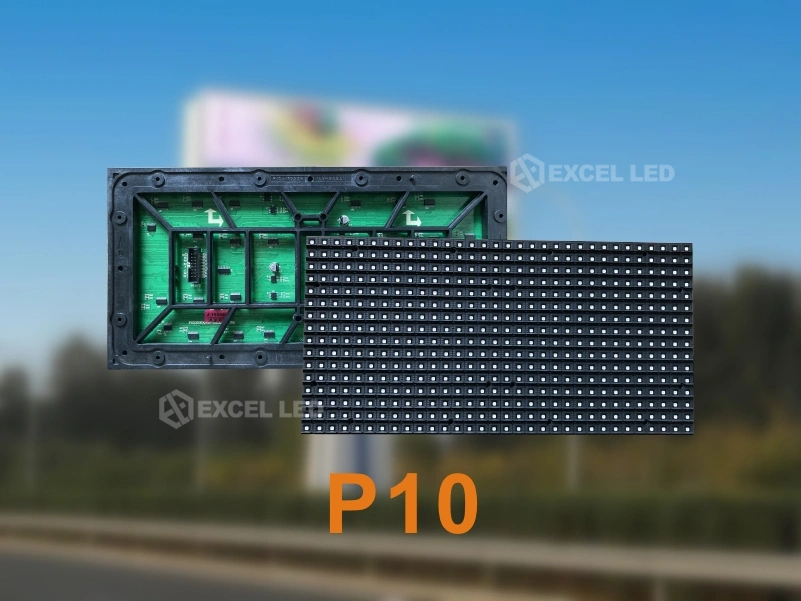
When evaluating an LED display screen outdoor, you will constantly see specifications like P3, P4, or P10. The “P” stands for Pixel Pitch, which is simply the physical distance (measured in millimeters) between the center of one LED diode and the center of the adjacent one.
The golden rule here is straightforward: the smaller the pixel pitch, the closer the diodes are to each other. This results in a higher pixel density, yielding a much sharper and more detailed image. However, there is a trade-off. Packing more diodes into the same square meter significantly increases manufacturing complexity and material expenses. Therefore, selecting the right pitch for an LED outdoor display screen is a delicate balancing act between achieving the necessary visual clarity and controlling your overall costs.
How to Choose Between P3 P4 P6 and LED Display P10 Outdoor
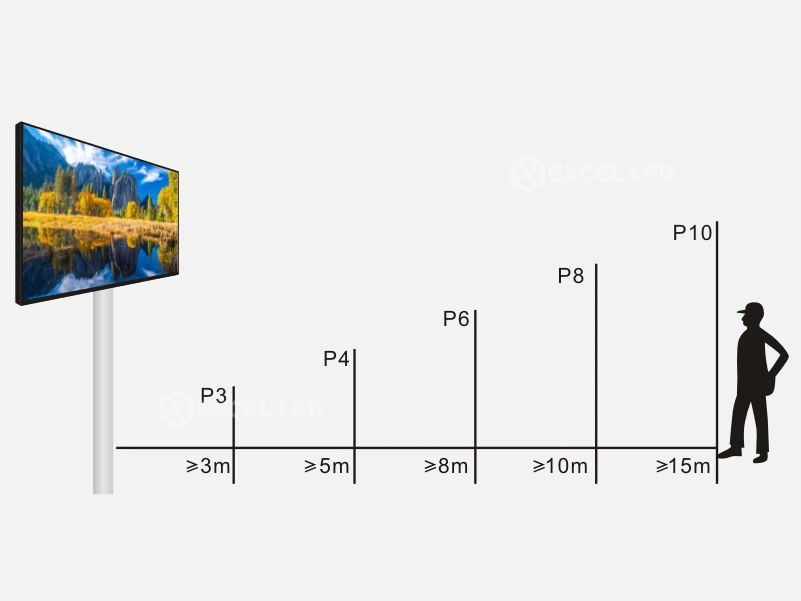
Navigating the various pitch options on the market can feel overwhelming, but it generally breaks down into three distinct viewing categories based on your project’s location:
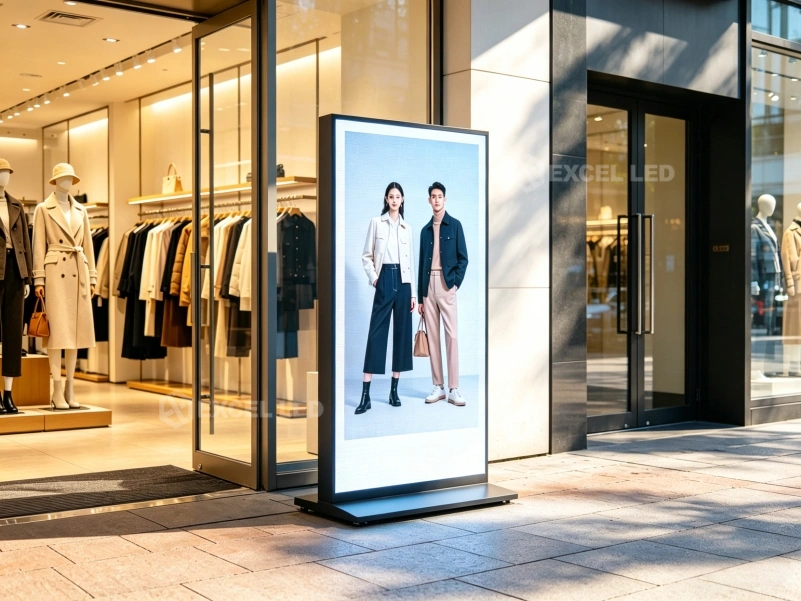
P3 and P4 (Short-Distance): These high-resolution modules are perfect for close-up viewing. They are predominantly used for luxury retail storefronts, bus stop shelters, and pedestrian street advertising where the audience is standing just a few meters away.
P6 (Medium-Distance): Acting as the industry sweet spot, P6 is highly versatile and frequently used for digital billboards in commercial plazas, large stage backgrounds, or above shopping mall entrances.
P10 (Long-Distance): A standard LED display P10 outdoor is the absolute go-to choice for massive highway advertising boards and high-rise building digital screens. Because the audience is viewing from far away, a rugged outdoor LED display with a P10 pitch delivers excellent visual impact while keeping the massive hardware investment extremely cost-effective.
How Viewing Distance Affects Outdoor LED Display Screens
The core philosophy of pixel pitch selection entirely revolves around the audience’s viewing distance. A simple but highly effective industry formula is: Viewing Distance = Pixel Pitch × 1000.
For example, if you choose a P10 screen (10mm pitch), the optimal viewing distance is 10,000 millimeters (which is exactly 10 meters). If you make the wrong choice, the visual and financial consequences are immediate. If you install a P10 screen for a close-up retail window (where people are only 2 meters away), the image will look heavily pixelated and grainy, ruining the brand experience. Conversely, using a highly expensive P3 screen for a highway billboard 50 meters up in the air is a massive waste of budget, as the human eye cannot perceive that microscopic level of detail from such a distance. Therefore, calculating the exact distance between your screen and your target audience is the absolute first step before purchasing outdoor LED display screens.
6. How to Choose the Right Outdoor LED Display for Your Project?
Making the final purchasing decision goes far beyond just picking the right pixel pitch. A successful digital signage project requires a comprehensive evaluation of the physical site, visual requirements, and overall financial return. Here is a practical guide to help you specify the exact equipment you need.
Installation Environment Considerations for Your Outdoor LED Display
The physical location of your screen dictates its hardware specifications. Before placing an order, you must thoroughly assess local weather conditions, including maximum wind speeds, average rainfall, and extreme temperature fluctuations.
For instance, an outdoor LED display installed on a coastal highway requires heavy-duty wind resistance and anti-salt-corrosion treatments. In contrast, a screen mounted in a dense urban city center might prioritize noise reduction and lightweight cabinets to protect the historical building’s facade. Because these environmental stressors vary wildly, you must ensure that your supporting steel structures and the LED outdoor displays themselves are engineered specifically to handle the unique challenges of your exact geographical location.
Brightness Requirements for an Outdoor LED Video Display
While we established that high brightness is a hallmark of LED technology, the exact nit level you need depends heavily on the surrounding ambient light.
If your outdoor LED video display is facing direct west-to-east sunlight in a high-end commercial zone full of reflective glass skyscrapers, you will need premium diodes capable of pushing 8,000 to 10,000 nits to guarantee visibility. However, if the screen is located in a shaded suburban area or faces a pedestrian street with strict light pollution regulations, a standard 5,500-nit screen equipped with automatic light sensors will perform perfectly while saving you significant energy costs.
Size and Resolution Planning for an Outdoor LED Display Panel
Bigger is not always better; it is about finding the perfect mathematical fit for your visual content. Calculating the total screen size requires analyzing both the physical space available on the wall and the viewing distance of your target audience.
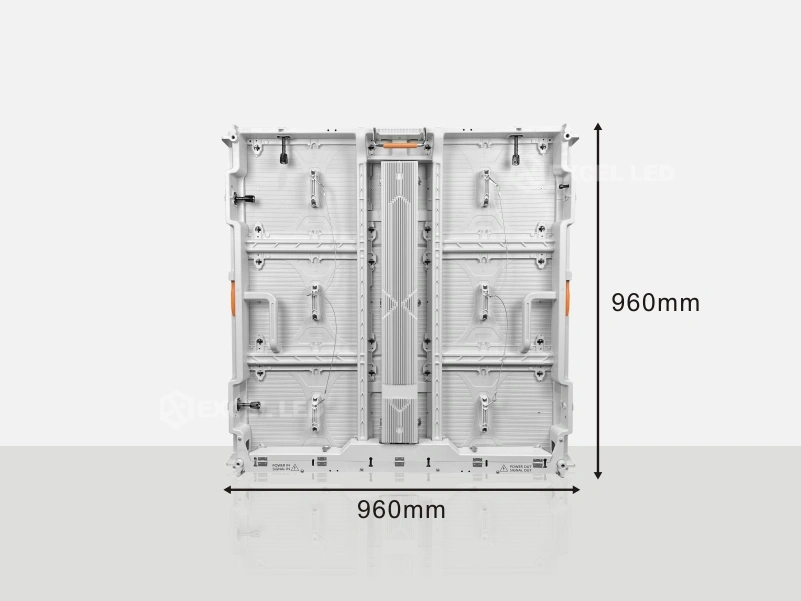
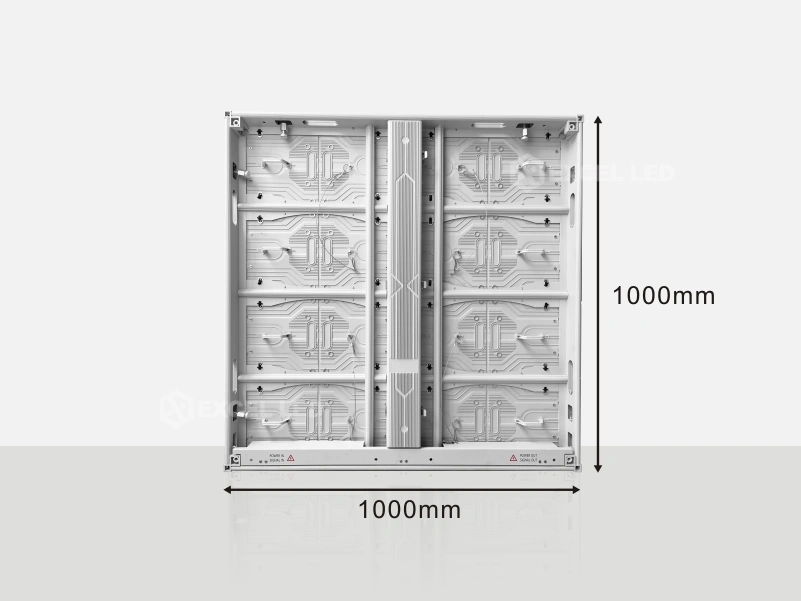
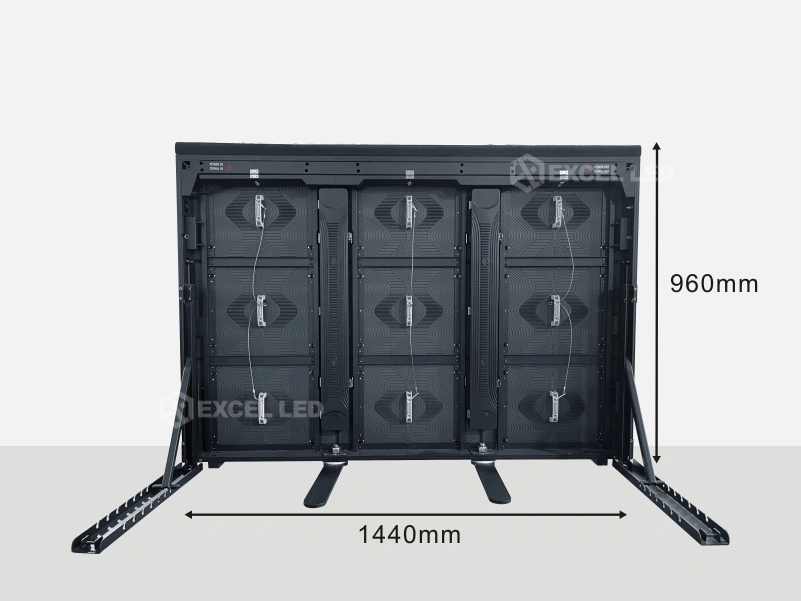
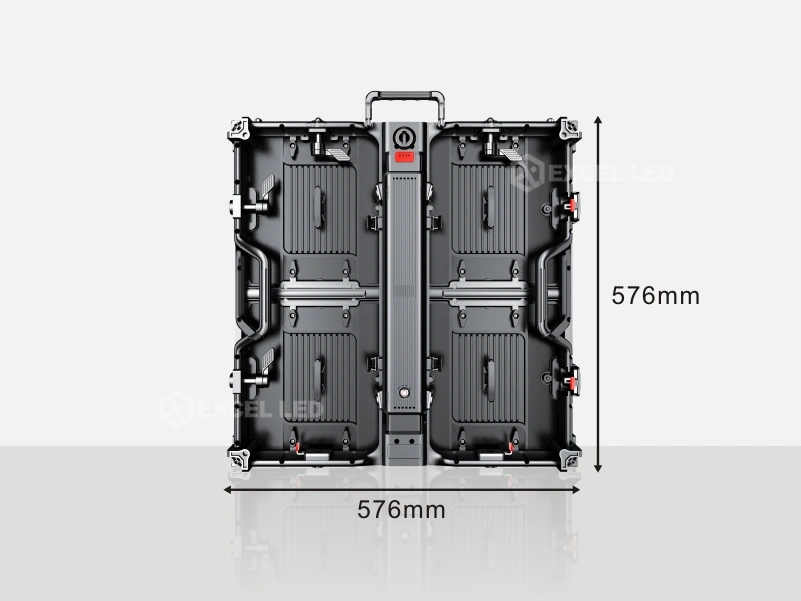
Once the overall dimensions are set, you must calculate how many modules are needed. Each outdoor LED display panel has a fixed physical dimension (such as 960mm x 960mm). Your final screen size will be a multiple of these cabinet sizes. Furthermore, the overall size directly impacts your resolution. If you want to achieve true 4K video playback, you will need to mathematically match the pixel pitch with the total surface area of your outdoor LED panel display to ensure there are enough pixels to render the high-definition format without stretching or distorting the image.
Balancing the Outdoor LED Display Price with Long-Term ROI
Ultimately, every commercial digital signage project comes down to numbers. When reviewing the outdoor LED display price, it is crucial for business owners to look beyond the initial upfront hardware cost and focus on the Total Cost of Ownership (TCO).
A cheaper, low-quality screen might save you money on day one, but it will quickly drain your budget through constant dead-pixel repairs, high electricity consumption, and lost advertising revenue during downtime. Conversely, investing in premium LED hardware ensures years of stable, 24/7 operation. From an ROI (Return on Investment) perspective, a highly reliable screen allows media companies to continuously sell premium ad slots without interruption. In the lucrative advertising space, the initial outdoor LED display price is often completely recovered within the first 12 to 18 months, turning the screen into a pure profit-generating asset for years to come.
7. Core Factors Affecting the Outdoor LED Display Panel Price
The final outdoor LED display price is never a simple flat rate; it is a carefully calculated sum of several technical components. The most significant variable is the raw outdoor LED display panel price, which fluctuates heavily based on the total physical size of your screen.
Beyond dimensions, custom hardware upgrades play a major role. For example, if your project requires ultra-high brightness (exceeding 8,000 nits) to combat intense desert sunlight, manufacturers must use premium, high-efficiency LED chips, which naturally increases the cost. Additionally, the complexity of your control system—such as requiring advanced video processors for live broadcasting, cloud-based software for remote management, or specialized cooling systems—will directly impact the final project quotation.
How Pixel Pitch Impacts the Outdoor LED Display Screen Price
As discussed in previous technical chapters, pixel density is the ultimate cost driver. The outdoor LED display screen price is directly tied to the number of diodes packed into every square meter. Therefore, the smaller the pixel pitch, the more expensive the screen.
High-resolution models like P3 or P4 require exponentially more raw materials and manufacturing precision, placing them in the premium price tier. In stark contrast, if you are constructing a giant 50-square-meter billboard on a highway, an LED display P10 outdoor is the most economically viable option. Because the diodes are spaced 10mm apart, the manufacturing cost per square meter drops significantly, providing investors with an unbeatable balance between massive visual scale and strict budget control.
Cost Differences: Outdoor Rental LED Display vs. Fixed Installations
The mechanical design and business model behind the screen also dictate its pricing structure. An outdoor rental LED display typically commands a slightly higher per-panel manufacturing cost. This is because rental modules require expensive, lightweight die-cast aluminum cabinets, specialized fast-locking hardware for quick assembly, and durable flight cases for safe transportation. However, for event organizers, renting these screens from a local AV company represents a highly manageable short-term operational expense.
Conversely, purchasing a permanent LED outdoor display screen for a commercial building requires a much larger initial capital investment. Yet, for property owners and media agencies, this fixed asset is designed to operate 24/7. By continuously leasing the digital ad space to different brands, the long-term advertising revenue completely eclipses the initial hardware cost, delivering an incredibly high ROI over the screen’s 5 to 10-year lifespan.
8. Maintenance and Troubleshooting for Outdoor LED Screen Display
A professional outdoor LED screen display should be treated as a 10-year asset, requiring a systematic maintenance schedule to prevent minor issues from becoming catastrophic failures.
How to fix common issues in a led display panel outdoor system?
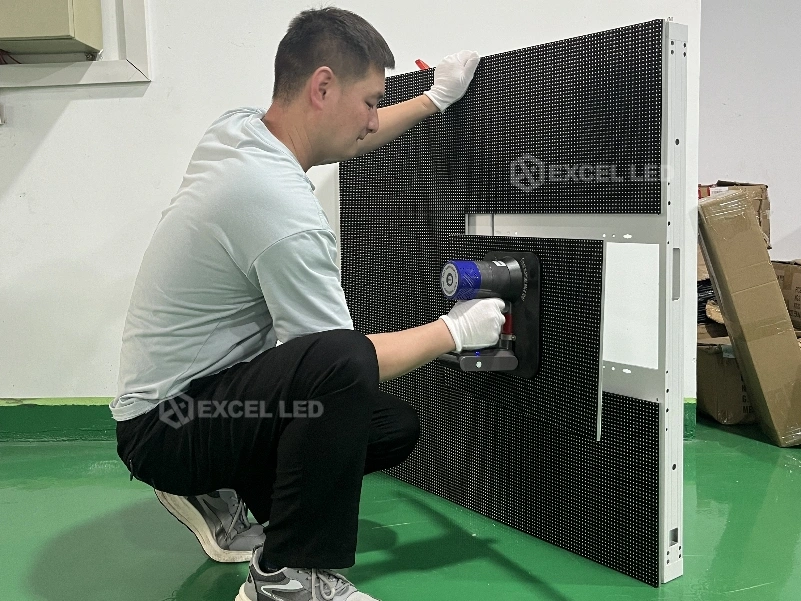
The most common issue in a led display panel outdoor is a “dead pixel” or a “black module,” usually caused by a loose ribbon cable or a failed power supply. A modular outdoor led display panel design allows technicians to swap out a single module in under 2 minutes. If your led outdoor display screen shows flickering, it is often a sign of a failing receiving card or a signal interference issue.
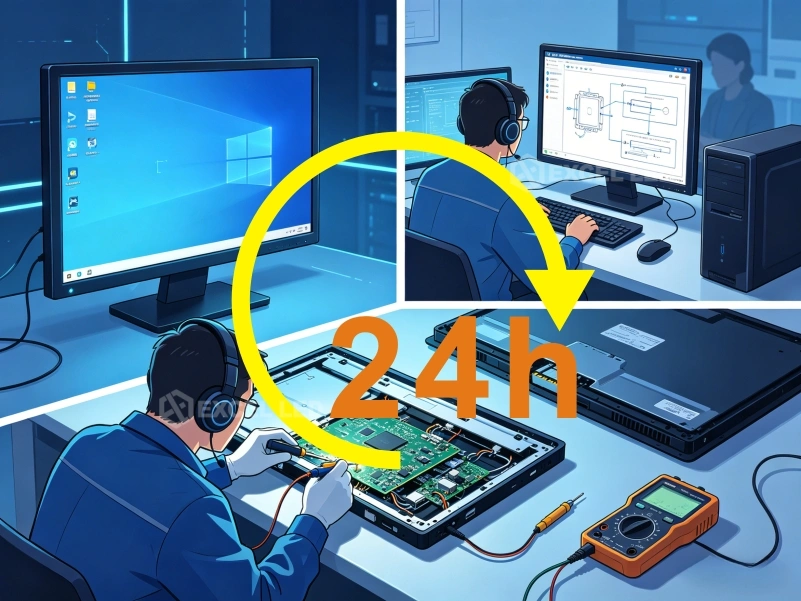
Regular calibration is the secret to a long-lasting led outdoor display screen. Over time, LEDs age at different rates. Using specialized software, we can re-calibrate the outdoor led screen display to ensure perfect color uniformity across the entire 100㎡ surface. For large-scale DOOH networks, we recommend AIoT monitoring, which sends an email alert to your team the moment a fan stops spinning or a voltage spike occurs on your outdoor led video display. This proactive approach to led outdoor display screen care reduces on-site labor costs by up to 50%.
9. What certifications are required for outdoor LED displays in global markets?
When investing in a large outdoor LED display panel, safety and regulatory compliance are non-negotiable. At [Your Company Name], we ensure that every LED outdoor display screen meets the most rigorous international benchmarks, giving you peace of mind for both public installations and government tenders.
Global Safety & Regulatory Certifications
Our products are engineered to comply with the strictest regional requirements, ensuring seamless deployment worldwide:
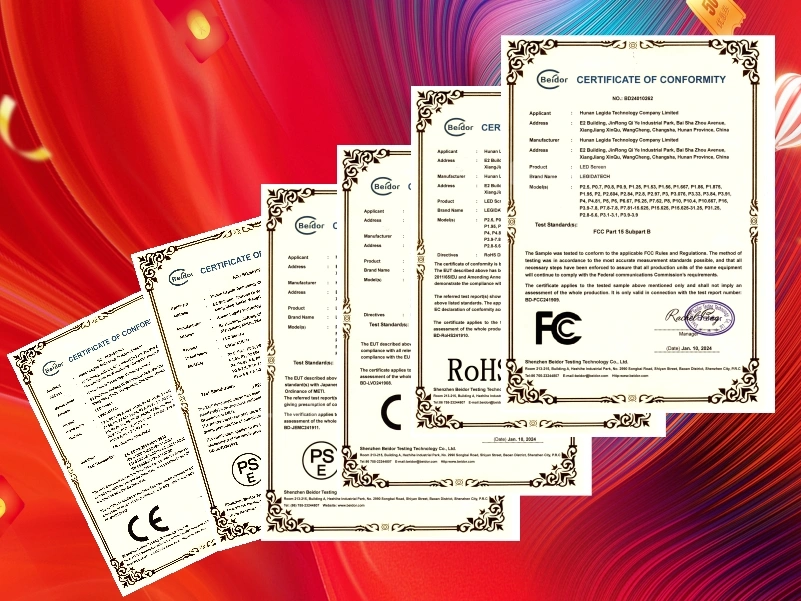
European Market (CE & EMC): Every LED display outdoor we manufacture carries the CE mark and satisfies EMC (Electromagnetic Compatibility) Class A or B requirements, ensuring high-performance operation without interference.
USA Market (FCC): Our screens are FCC-certified, guaranteeing that our outdoor LED display screens do not interfere with local cellular networks or other critical wireless infrastructure.
Insurance Compliance (UL/ETL): We provide UL or ETL-certified solutions, which are frequently required by insurance companies before they will authorize or cover a building featuring a large outdoor LED display panel.
Environmental Responsibility & Quality Management
We believe that high-quality manufacturing also means being responsible for the environment and long-term product reliability:
RoHS & REACH Compliance: All our screens are certified RoHS and REACH compliant, meaning they are entirely free of hazardous materials like lead or cadmium—a mandatory requirement for major government and municipal tenders.
ISO9001 Quality Management: As an industry-leading manufacturer, we adhere to strict ISO9001 protocols, ensuring consistency and excellence across every stage of the production process.
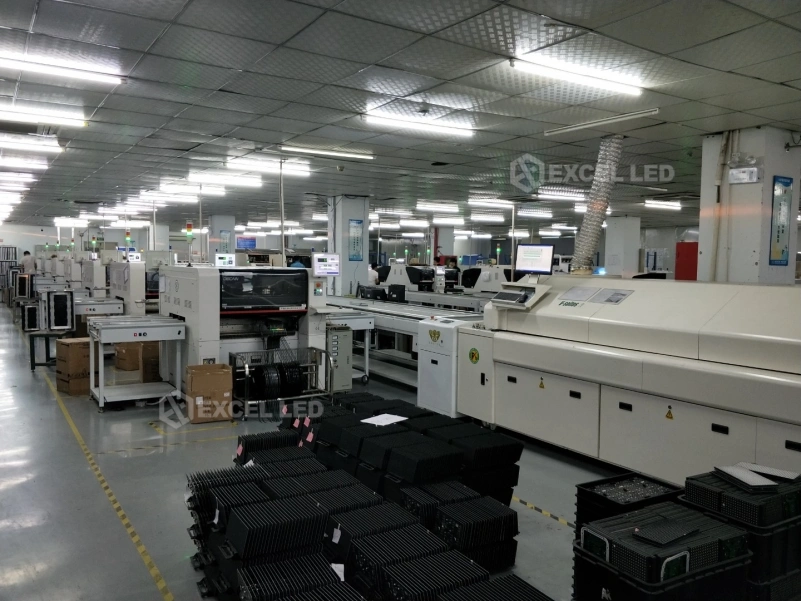
72-Hour Aging Testing: Every outdoor LED display panel leaving our factory undergoes a rigorous 72-hour continuous aging test. During this process, each module and system is pushed to its full operating capacity to monitor color consistency, brightness uniformity, and signal stability. By simulating real-world operational stress, we effectively eliminate any potential early-stage hardware defects before shipping. This guarantee ensures that your LED outdoor display screen arrives on-site fully calibrated, stable, and ready for long-term, high-impact performance.