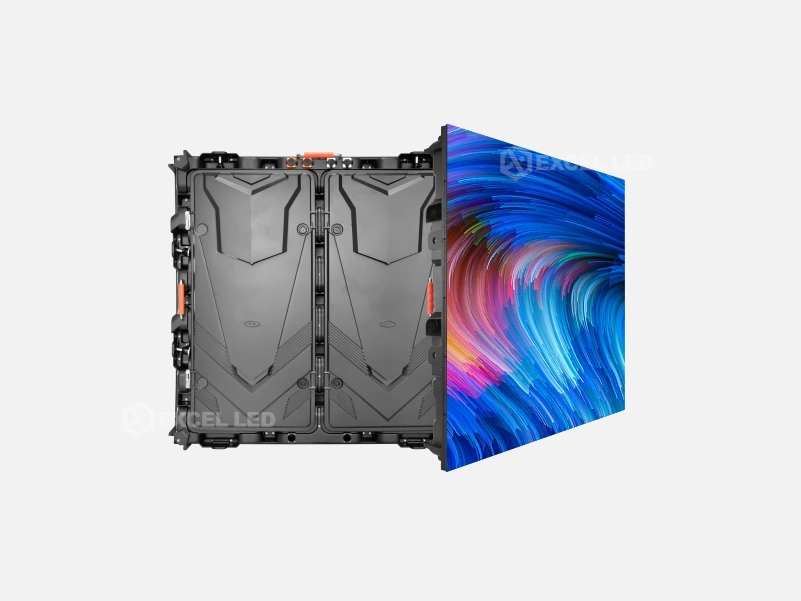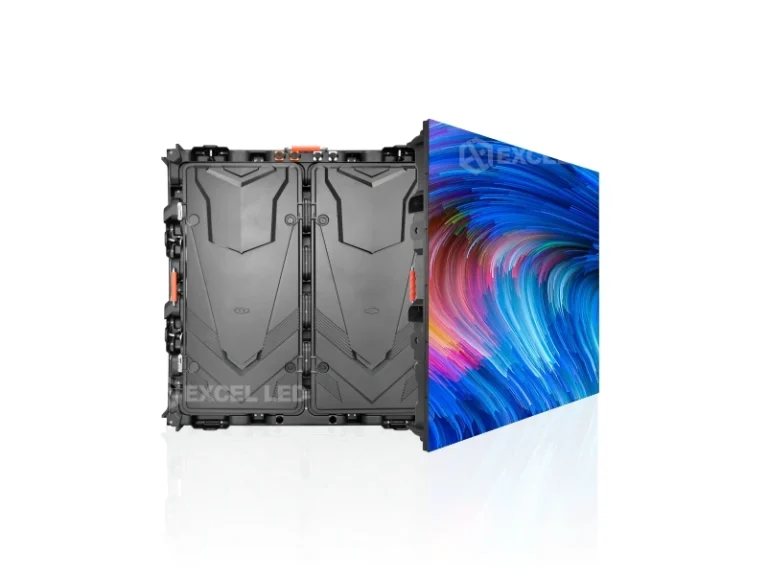
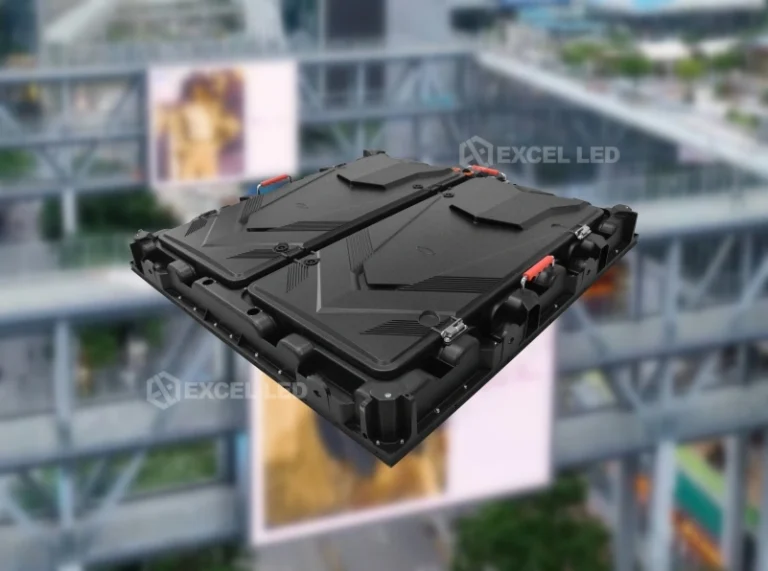
Magnesium Alloy Outdoor LED Display 960x960 — B Series for DOOH Billboards
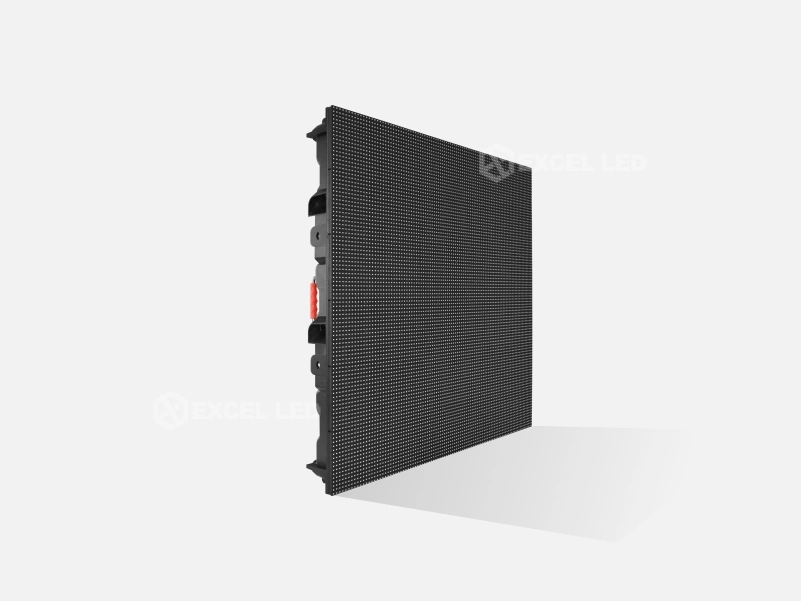
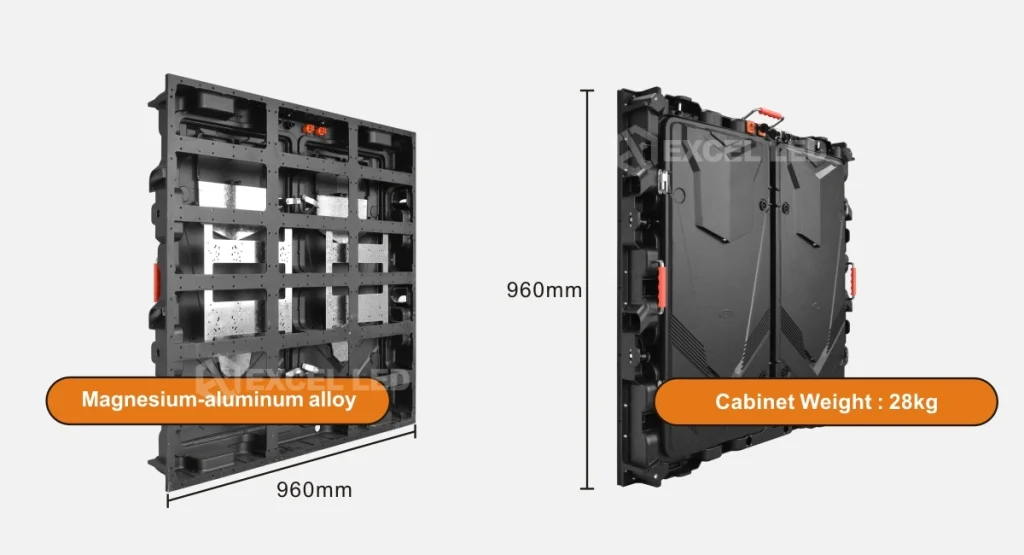
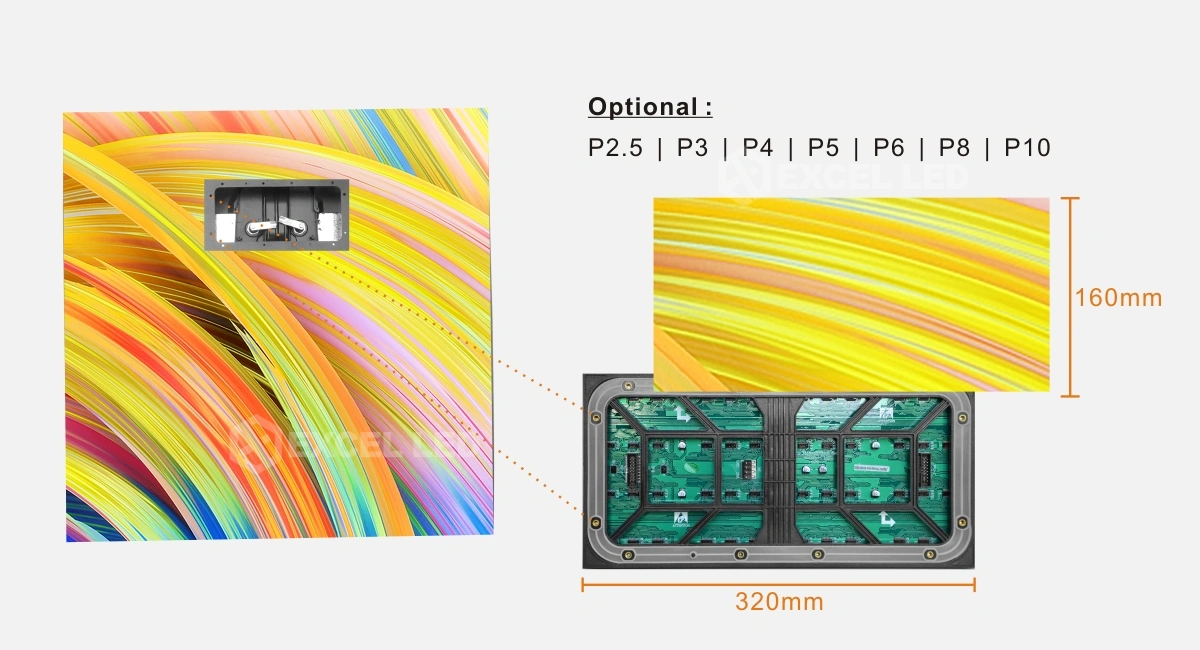
960x960mm outdoor LED display with universal 320x160mm modules
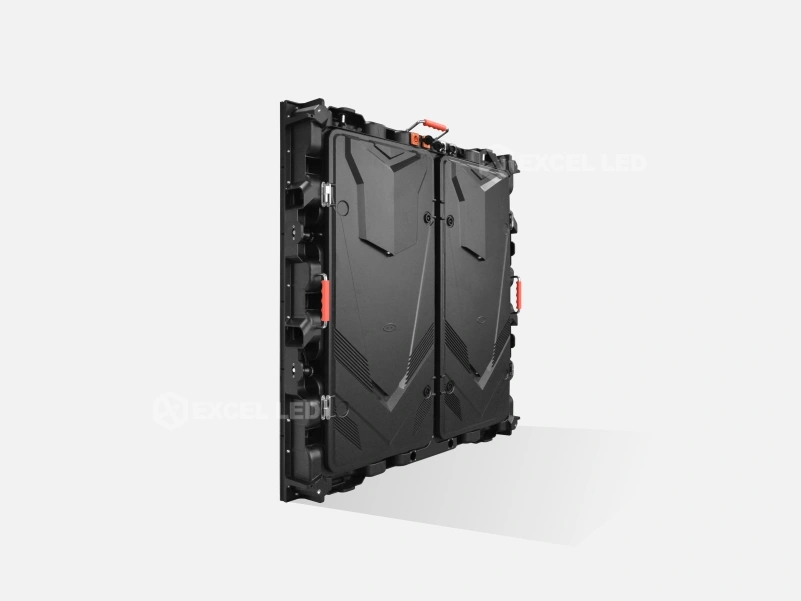
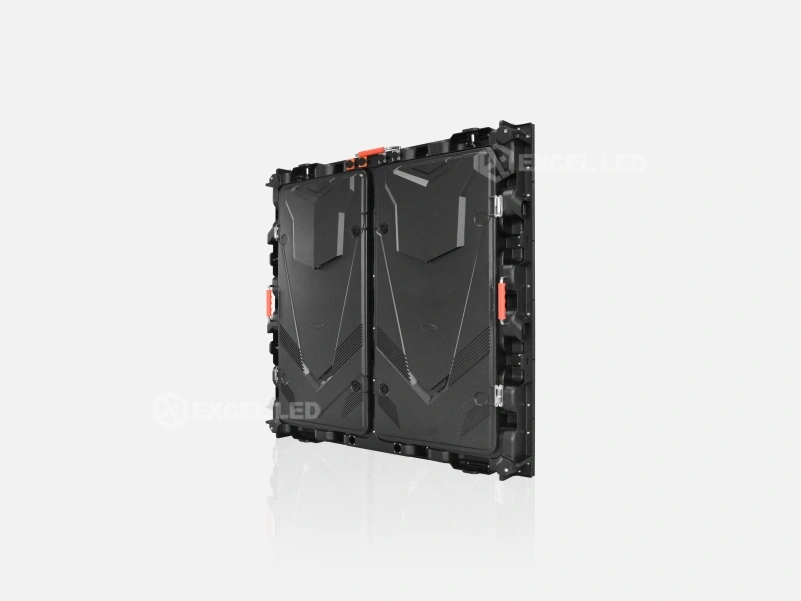
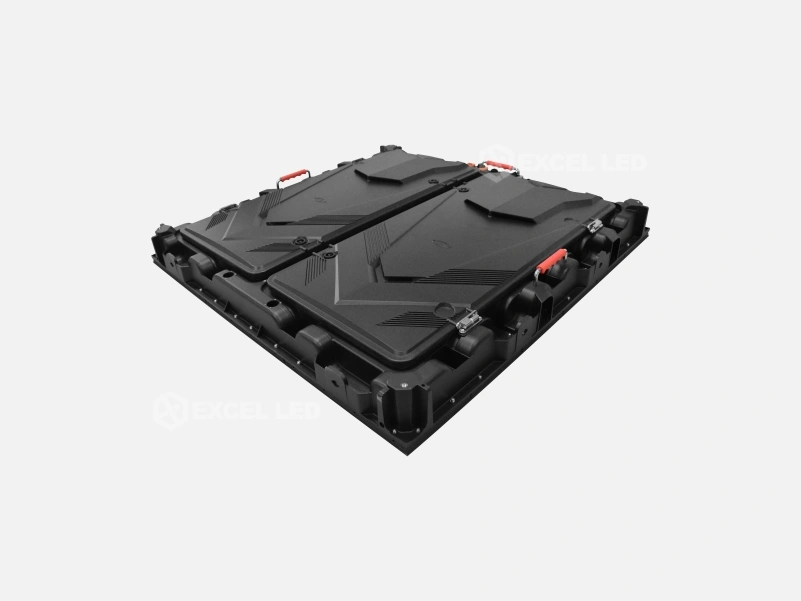
28kg magnesium alloy cabinet (120 mm deep, curved corner splicing)
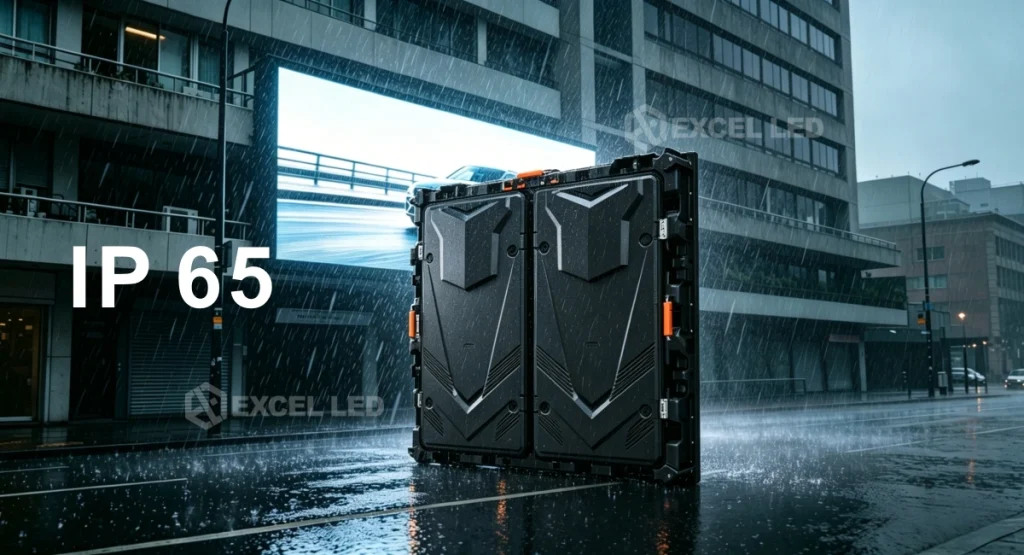
IP65 waterproof rating with double waterproof barriers
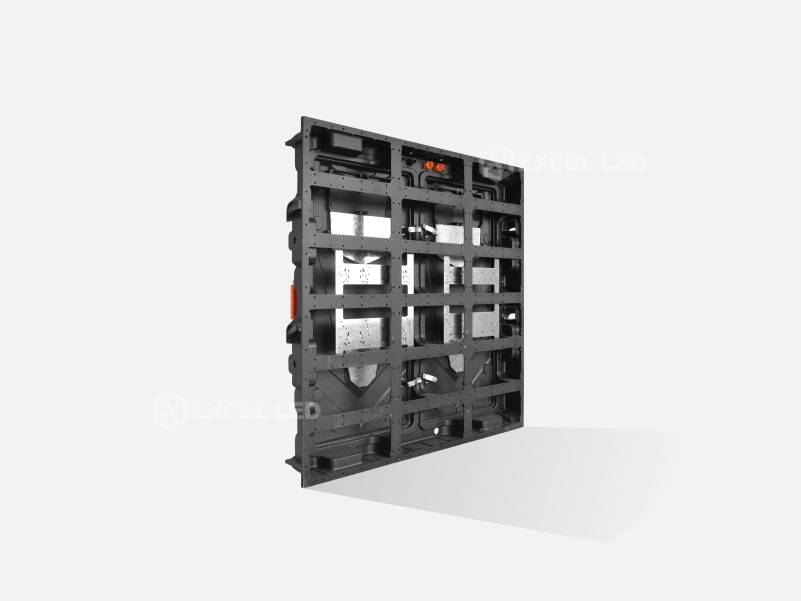
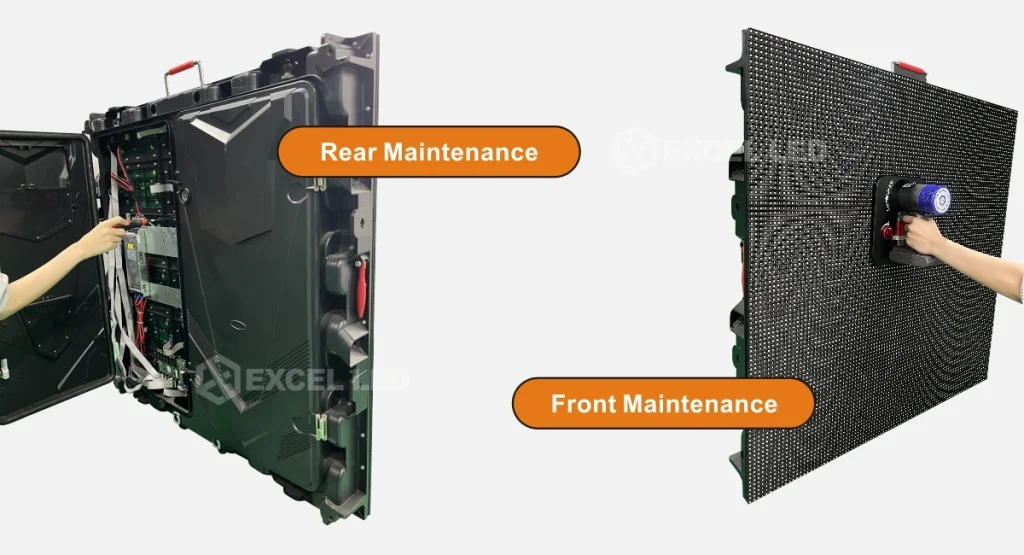
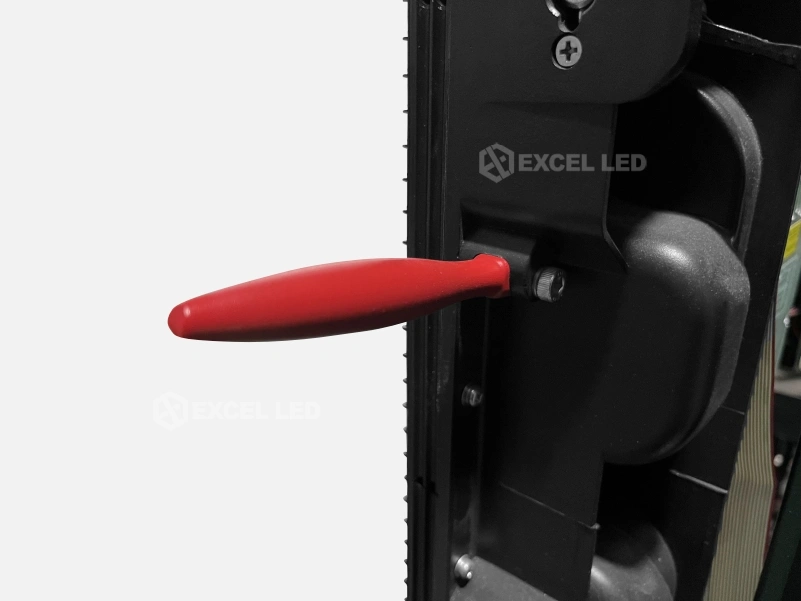
Front and rear dual service options for versatile maintenance
Universal control system compatibility (Novastar/Linsn)
Six versatile installation methods , including pole, roof, and wall-mount
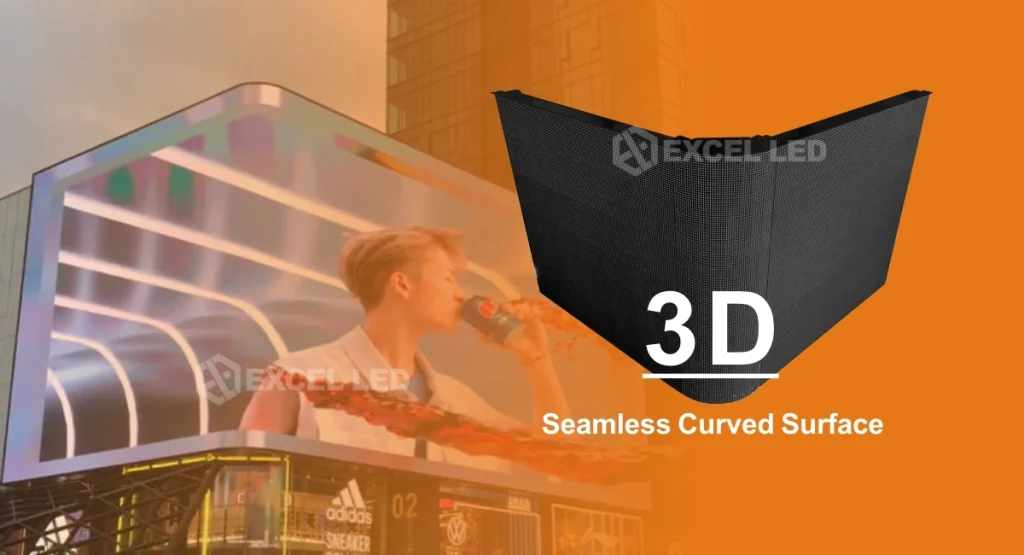
Curved and 3D billboard capabilities for creative DOOH advertising
Introduction
Heavy iron cabinets and skyrocketing steel structure costs are the biggest obstacles for outdoor advertising operators. The B Series 960x960mm outdoor LED display eliminates these pain points entirely. Engineered for the demanding Digital Out-Of-Home (DOOH) market, this premium screen utilizes a magnesium alloy cabinet weighing 28 kg per 960 x 960 mm unit. What the casting buys is geometric freedom: the customised radians for curved and 3D corner splicing that a flat cabinet cannot produce.
Whether you are building a massive highway billboard or a 3D corner display, the B Series delivers 6000-nits brightness and all-weather durability. Say goodbye to software compatibility panics—our screens operate with Novastar, Linsn, and Colorlight.Controller compatibility is confirmed at the receiving-card model level before the order is placed. Discover how this series empowers your advertising network within our comprehensive Outdoor LED Display Solutions
960x960mm Magnesium Alloy Outdoor LED Display: Quick Answers
What is a magnesium alloy LED cabinet?
A LED cabinet whose frame and rear housing are cast in a magnesium-aluminium
alloy instead of die-cast aluminium or welded steel. On a billboard project the
practical difference is geometric rather than structural: the casting supports
the customised radians used for corner splicing, which is what allows a curved
or 3D build from standard cabinets.
How much does the cabinet actually weigh?
The B Series 960 x 960 mm cabinet is 28 kg in every pixel pitch from P3 to P10,
according to its specification table. That is the same weight as the aluminium
OK Series cabinet at the same footprint, so weight alone does not separate the
two. The cabinet is 120 mm deep, against 77 mm for the OK Series, so check the
available mounting depth before choosing it.
Is magnesium strong enough for a permanent outdoor billboard?
Yes. The cabinet is a structural housing, not a load-bearing element on its own:
the screen is bolted to a steel frame designed by a structural engineer for the
site wind load. The B Series cabinet carries an IP65 rating with double
waterproof barriers, and it is built for permanent outdoor installation rather
than temporary rigging.
Can it be built as a curved or 3D billboard?
Yes. The cabinet framework supports customised radians for corner splicing,
which is what allows an LED corner build rather than a flat panel. See our
3D billboard guide for how naked-eye 3D content is produced and
what it changes about screen geometry.
How is it installed?
The B Series supports six installation methods. The three most common on DOOH
projects are pole mounting, roof mounting and wall mounting; the others are
chosen when the structure or the access route makes those three impractical.
Which pixel pitch should I specify?
P3 to P5 where the closest audience is 3 to 5 m away, typically street-level
corner builds and plaza screens. P6 to P10 for highway and rooftop boards viewed
from 6 m or more, where a finer pitch raises cost without changing perceived
sharpness.
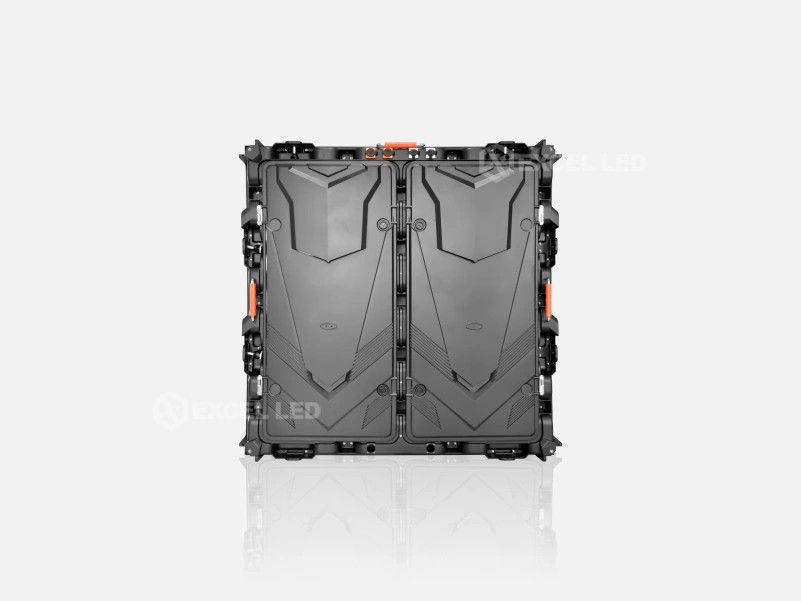
Why Upgrade to a Magnesium Alloy LED Screen?
When investing in a permanent outdoor LED billboard, the screen is one line in the budget and the steel support structure is often another. By choosing a magnesium alloy cabinet you gain the radians needed for curved and 3D corner splicing, and you cut the dead load against our B10 PRO DIP iron cabinets at large sizes. At 960 x 960 mm it is the same 28 kg as our aluminium cabinet.
Weighing only 28kg per cabinet, the B Series accelerates the installation process and shortens installation and transport time, which shortens the installation window on site.
Magnesium Alloy Outdoor LED Display: Material, Weight and Depth at 960 x 960 mm
Cabinet material is usually sold as a spec-sheet adjective. On a magnesium alloy outdoor LED display at 960 x 960 mm the useful comparison is weight and depth, because those two figures set the steel frame, the foundation and whether the cabinet fits the mounting recess. Every figure below is the confirmed value published on our cabinet and series pages.
| Cabinet | Weight and depth at 960 x 960 mm | What it changes on site |
|---|---|---|
| Magnesium alloy (B Series) | 28 kg, 120 mm deep (confirmed) | Deepest of the 960 x 960 cabinets we publish. The casting supports the customised radians used for corner splicing, which is what makes curved and 3D builds possible without bespoke framing. |
| Die-cast aluminium (B960) | 25 kg, 85 mm deep in FC4.44 and 87 mm in FC6.67 (confirmed) | Lightest 960 x 960 cabinet we build, IP66. Chosen for flat builds where depth and weight matter more than pitch range. |
| Die-cast aluminium (OK Series) | 28 kg, 77 mm deep (confirmed) | Shallowest 960 x 960 cabinet. Flat builds on recessed or slim mounting structures. |
| Iron (B10 PRO DIP) | 22 kg at 640 x 960 x 95 mm; 45 kg at 1280 x 960 x 95 mm (confirmed). The 960 x 960 iron cabinet is confirmed per project. | Highest dead load per square metre at large sizes, so heavier steel and a larger foundation. Usually cheaper to buy. |
What actually differs between the materials
- Geometry, not weight. At 960 x 960 mm the B Series cabinet and the OK Series cabinet are both 28 kg. What the magnesium casting buys you is the customised radians for corner splicing: a flat cabinet in any material cannot produce a seamless curved corner without specialist framing.
- Depth. The B Series cabinet is 120 mm deep against 77 mm for the OK Series. On a recessed or mosaic facade that difference is the deciding constraint, and it works against the B Series rather than for it.
- Corrosion behaviour. Outdoor cabinets rely on the coating system as much as on the base metal. Ask for the coating specification and the salt-spray test report rather than assuming one material is universally better.
- Repairability. All of them are repaired at module level. What matters is whether the module format is standard, so a replacement ordered two years later still fits.
- Pitch range. The B Series is the only one of these cabinets offered from P3 upward on the same 320 x 160 mm module format, which is the real reason to specify it on a street-level or landmark build.
When material is not the deciding factor: on a flat wall-mounted board with generous structural capacity, the OK Series aluminium platform is 43 mm shallower at the same cabinet weight, and the B960 platform is 3 kg lighter again. The B Series earns its place when the build is curved or 3D, or when the closest viewer is close enough to need P3 or P4.
What Cabinet Weight and Depth Change in the Structure Budget
The cabinet is one line in the budget; the structure that carries it is often another. Because the two are linked, cabinet weight and depth are the two specs worth arguing about during design rather than at procurement.
Where the savings appear
- Steel frame and foundation. Lower dead load means smaller sections and a smaller base. This is the largest downstream effect and it is designed by a structural engineer against local wind load, not by the screen supplier.
- Lifting and access. A lighter cabinet can move with smaller crane capacity or a smaller lift, which matters on roof-mounted and pole-mounted sites where access is the expensive part.
- Freight. Cabinet weight and packed volume drive sea freight and inland transport.
- Installation labour. Two technicians can handle a 28 kg cabinet without waiting on plant, which shortens the installation window.
Where weight does not help you
At 960 x 960 mm the B Series cabinet weighs 28 kg, the same as the OK Series aluminium cabinet, and the B960 die-cast cabinet is lighter at 25 kg. If cabinet weight is the only thing driving your structure cost, the magnesium B Series is not the cheapest way to reduce it. The saving shows up against an iron cabinet at large sizes, where our B10 PRO DIP iron cabinets run 45 kg at 1280 x 960 mm against 22 kg at 640 x 960 mm on the same 95 mm chassis.
Depth is a hard constraint, not a soft one
Depth cannot be traded away later. A 120 mm cabinet will not fit a rebate cut for an 80 mm unit, and the OK Series cabinet is 77 mm deep. Fix the available depth before the pitch and the material are chosen, not after.
The question to take to your engineer: ask what the steel and foundation cost would be at 28 kg per cabinet against 45 kg, and what recess depth is actually available. Those two numbers decide the platform faster than the pitch table does. Running cost, covered in our LED billboard power consumption breakdown, is set by screen area, brightness setting and operating hours rather than by cabinet material, and the 2026 outdoor LED screen price guide covers screen-only cost by pixel pitch.
6 Core Technologies of B Series Outdoor LED Billboards
Cast Magnesium Alloy Cabinet: Geometry and Fine Pitch
The Feature: Built with premium magnesium alloy, each 960x960mm cabinet weighs only 28kg.
The Benefit: Cuts dead load against iron cabinets, and the cast housing supports curved and 3D corner splicing, which a flat cabinet cannot.
Universal 320x160mm Module Ecosystem
The Feature: Across the published range, P3 to P10, all models utilize the standard 320x160mm LED module size.
The Benefit: Streamlines your inventory management. You can upgrade your screen’s resolution in the future without replacing the expensive cabinet frame.
All-Weather IP65 Waterproofing
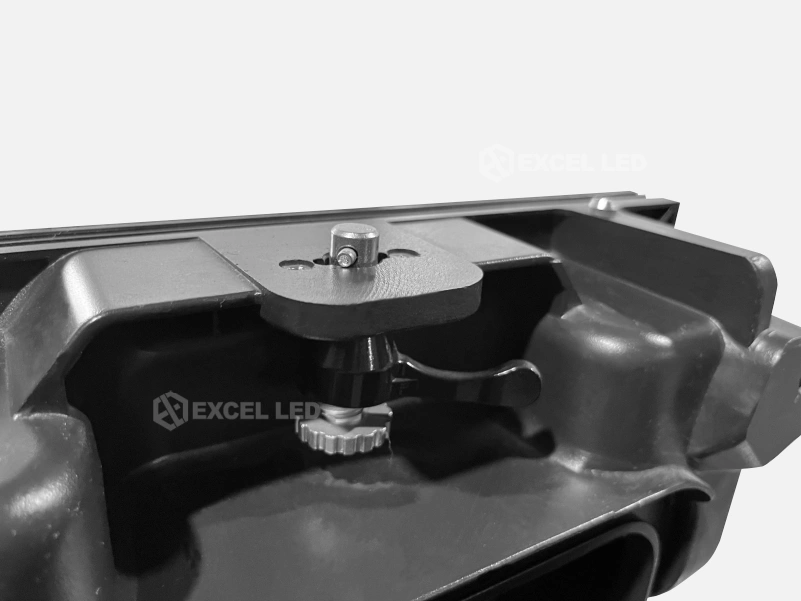
The Feature: Equipped with reinforced rubber rings and double waterproof barriers against moisture penetration.
The Benefit: Designed for continuous operation in heavy rainstorms, maximizing the uptime of your advertising campaigns.
Front & Rear Dual Accessibility
The Feature: The front service outdoor LED panel design allows modules to be removed from either side.
The Benefit: Enables installation in tight spaces (like wall-mosaics) where back access is impossible, cutting maintenance time.
Seamless Curving & 3D Capabilities
The Feature: The cabinet framework supports high-precision customized radians for corner splicing.
The Benefit: Allows you to build immersive naked-eye 3D corner billboards, which is what makes a corner site worth more to an advertiser.
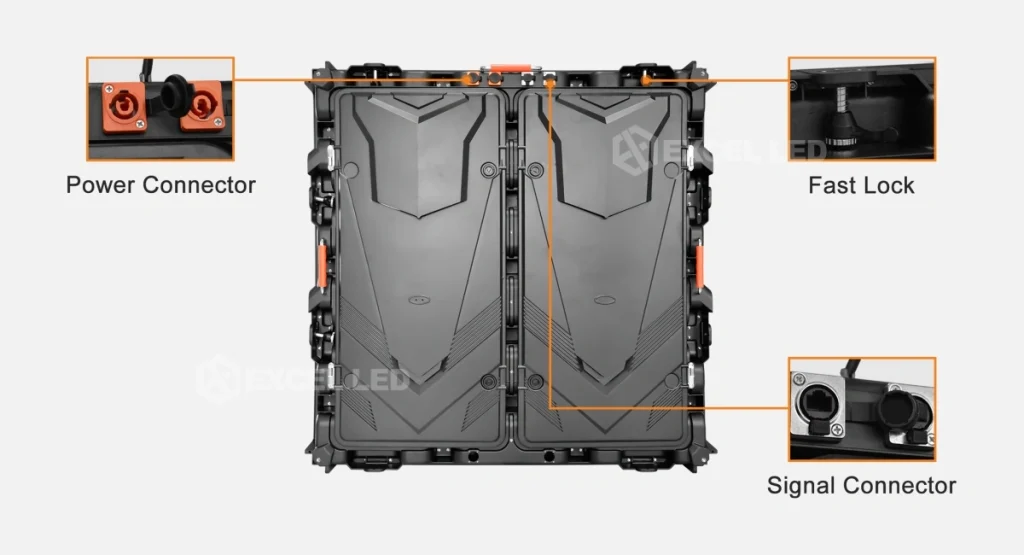
Plug & Play Signal & Power Architecture
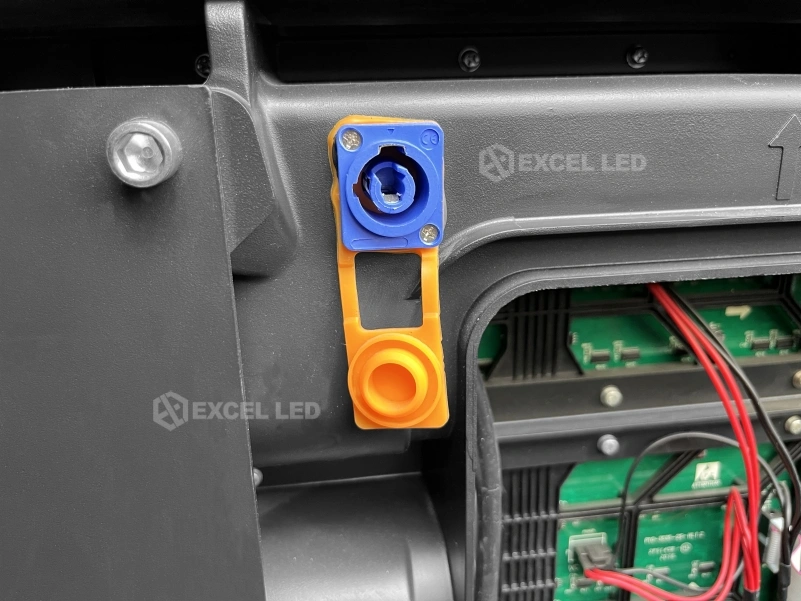
The Feature: Features quick-release fast locks and centralized power/data hubs compatible with major sending cards.
The Benefit: Simplifies troubleshooting and reduces blackout risk during highly profitable commercial ad loops.
Choosing a Pixel Pitch for a Curved or Standard Outdoor Display
The B Series runs from P3 to P10 on the same 320 x 160 mm module format, so the pitch can be chosen per project without changing the cabinet, the structure or the spare-parts list. The decision is driven by the closest audience, not by the farthest.
| Pitch | Closest usable viewing distance | Fits |
|---|---|---|
| P3 | 3 m | Street-level corner builds, plaza and entrance screens |
| P4 | 4 m | Pedestrian-facing facades, naked-eye 3D corners |
| P5 | 5 m | Retail facades and street furniture |
| P6 | 6 m | Standard roadside boards |
| P8 | 8 m | Large facades and mid-distance billboards |
| P10 | 10 m | Highway and rooftop boards |
The distances in that table are the closest distance at which the pixel structure stops being visible, on the usual rule of thumb of roughly one metre per millimetre of pitch. Viewers further back than that distance see a clean image; viewers closer than it will see the gaps between pixels.
Two practical notes. First, a curved build compresses the view at the join, so a corner screen is usually specified one pitch finer than the flat equivalent at the same distance. Second, the resolution of the finished screen must be checked against the content: a P3 wall showing 1920 x 1080 video is being driven well below its native resolution, and that is fine, but it should be a decision rather than a surprise. Our guide to screen size, pixel pitch and viewing distance works through the arithmetic.
Weather Protection on a Curved or Roof-Mounted Build
Curved and roof-mounted screens fail at the joins before they fail anywhere else. The B Series cabinet uses double waterproof barriers with reinforced rubber rings, rated IP65. IP65 covers dust-tight construction and protection against water jets, which is the relevant standard for a screen that will meet driven rain for a decade.
Three points to check at commissioning
- Corner and junction sealing. On a curved build the cabinet joints are the exposed path. Confirm the sealing method for the specific radius, not just for the flat cabinet.
- Cable entries. Glands are the most common water entry point. They should be sealed during installation rather than after the first fault.
- Drainage path. Water that does get in has to leave. Confirm the drainage route on the cabinet and on the steel frame beneath it.
The general failure modes and their fixes are set out in our outdoor LED display waterproof guide, and the maintenance schedule gives the inspection intervals that keep a seal in service.
Ideal Use Cases for 960x960mm Outdoor Displays
Highway & Roof-Top Billboards:
The Scene: High-altitude installations facing severe wind loads and sunlight.
Product Support: The magnesium alloy design reduces dead load against iron cabinets at large sizes, while 6000 nits brightness cuts through daylight.
Commercial Plaza Naked-Eye 3D Screens:
The Scene: L-shaped building corners requiring seamless visuals to create 3D illusions.
Product Support: Precision manufacturing allows for seamless 90-degree corner splicing, delivering viral marketing impact.
Smart City Street Pole Displays:
The Scene: Pedestrian zones where space is limited and aesthetics matter.
Product Support: The front service capability and the option of front or rear service access make it easier to integrate into smart city infrastructure. Where the mast or recess is shallow, the 77 mm OK Series cabinet fits and this one does not.
Highway & Roof-Top Billboards
Commercial Plaza Naked-Eye 3D Screens
Sports LED display screen
Six Mounting Methods and How to Choose Between Them
The B Series is specified with six installation methods: single-pole, double-column, wall-mounted, roof-type, cantilever and mosaic (embedded). Which one applies is decided by three things: the structure that already exists, the access route, and how the screen is serviced afterwards.
| Method | Typical site | What to settle first |
|---|---|---|
| Single-pole | Roadside boards and car parks with a small ground footprint | Pole and bracket design against wind load; how a lift reaches the screen |
| Double-column | Wide highway boards and gantries | Span between columns and the deflection limit under wind load |
| Wall-mounted | Facade and street-level advertising | Anchor substrate; whether rear service access is possible at all |
| Roof-type | Rooftop billboards on commercial buildings | Dead load and wind uplift on the existing roof structure |
| Cantilever | Sites where no ground footprint is available | Moment at the fixing point; the bracket carries the whole load |
| Mosaic (embedded) | Building-integrated facades where the screen sits flush | Rebate depth and the cavity behind the screen for service and cable routing |
The rule that matters in every case: fix the screen width and height in whole 960 mm cabinets before the steel is designed, so the resolution divides cleanly across the sending-card outputs and no cutting or patching is needed on site. The outdoor LED display installation guide covers the structural and electrical steps in sequence.
Servicing after installation
Modules can be removed from the front or the rear, so the maintenance routine does not depend on having a lift on site. On a pole-mounted screen that is the difference between a routine module swap and a planned road closure. On a mosaic build the service plan has to be agreed with the facade contractor before the rebate is closed.
Faults on a Curved or Roof-Mounted LED Screen and How to Diagnose Them
Most first-line faults on a fixed outdoor screen fall into a small number of categories, and a curved or roof-mounted build adds two of its own: the corner joins and the service access. The table below is the sequence our service team works through before anything is dispatched.
| Symptom | Most likely cause | First check | Typical fix |
|---|---|---|---|
| Dark band at the corner join on a curved build | Cabinet mapping not re-written for the radius, or a data link between the two cabinet groups | Compare the mapping file against the commissioning baseline; check the join cable | Reload the mapping; reseat or replace the join cable |
| Whole screen black, power present | No signal from the player or sending card | Player output first, then the sending-card indicator | Restore the source or reseat the data link |
| One module or one cabinet dark | Loose ribbon, failed receiving card or power supply | Swap the module with a known-good one | Replace module, card or supply |
| Flicker or horizontal banding | Refresh or scan setting mismatch, or a marginal data cable | Compare cabinet parameters against the commissioning file | Reload the correct parameters, replace the cable |
| Colour cast on part of the screen | Module batch difference, or a failing driver channel | Isolate the cabinet and compare against a neighbour | Replace the module, then recalibrate |
| Water ingress after heavy rain on a roof build | Damaged gasket, cable gland or cabinet seal; water tracking along the steel frame | Inspect the cabinet edge and every cable entry point | Replace the seal or gland; see the waterproof guide |
| Brightness rollback in the afternoon | Thermal derating, or blocked airflow behind a roof-mounted screen | Cabinet temperature and the clearance between the screen and the roof surface | Clear the airflow path; confirm the brightness setting against the site |
If the fault survives these checks, send the screen size, the cabinet position and a photograph of the affected area. On a mapped screen the fault can usually be narrowed down from the mapping file before a technician is sent, which is why archiving that file at commissioning matters more on a large or curved build than on a single flat panel.
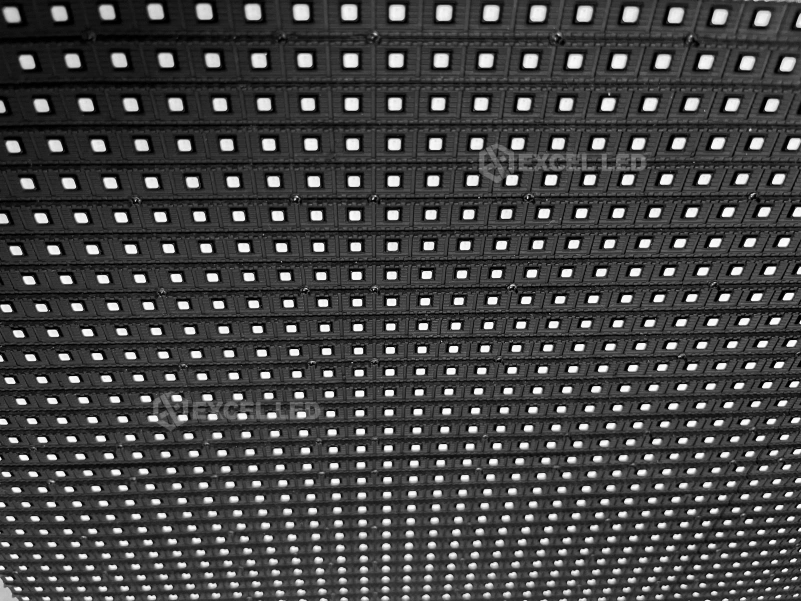
Video Center of B Series
Playlist
0:16
0:16
0:16

Specifications for B Series DOOH Digital Signage
| Feature | B Series P3 | B Series P4 | B Series P5 | B Series P6 | B Series P8 | B Series P10 |
| Pixel Pitch | 3mm | 4mm | 5mm | 6mm | 8mm | 10mm |
| Module Size | 320x160mm | 320x160mm | 320x160mm | 320x160mm | 320x160mm | 320x160mm |
| Cabinet Size | 960x960mm | 960x960mm | 960x960mm | 960x960mm | 960x960mm | 960x960mm |
| Brightness | 6000 nits | 6000 nits | 6000 nits | 6000 nits | 6000 nits | 6000 nits |
| Cabinet Weight | 28 kg | 28 kg | 28 kg | 28 kg | 28 kg | 28 kg |
| Cabinet Material | Magnesium | Magnesium | Magnesium | Magnesium | Magnesium | Magnesium |
| IP Rating | IP65 | IP65 | IP65 | IP65 | IP65 | IP65 |
| Power (Max/Avg) | 800/300 W/m² | 800/300 W/m² | 800/300 W/m² | 800/300 W/m² | 800/300 W/m² | 800/300 W/m² |
Call to Action (CTA):
Ready to Dominate the DOOH Market?
Don’t let heavy cabinets inflate your installation budget. Upgrade to a cost-efficient 960x960mm Outdoor LED Display.
Compare our magnesium alloy benefits and explore our complete [Outdoor LED Display Solutions] to scale your advertising network.
Contact the experts at Excel LED (LEGIDATECH) today for a factory-direct quote!
Contact Excel LED Now!
Send your demand and get your detailed solution of project.
12 FAQs About Outdoor LED Billboards
A: Running costs depend on power consumption. Our B Series uses high-efficiency LEDs with an average consumption of 300W/m², keeping daily electricity bills significantly lower than older technologies.
A: A magnesium alloy LED screen is a sound choice for outdoor installations. It is lighter than the iron cabinets we publish at large sizes, 45 kg at 1280 x 960 mm against 28 kg at 960 x 960 mm, and it does not rust. At 960 x 960 mm it is the same 28 kg as our aluminium cabinet.
A: It depends on the closest viewing distance, on the rule of thumb of about one metre per millimetre of pitch. For close pedestrian viewing from 3 to 5m, P3 or P4 is ideal. For highway and rooftop billboards viewed from 8 to 12m or more, P8 or P10 is usually the lower-cost choice.
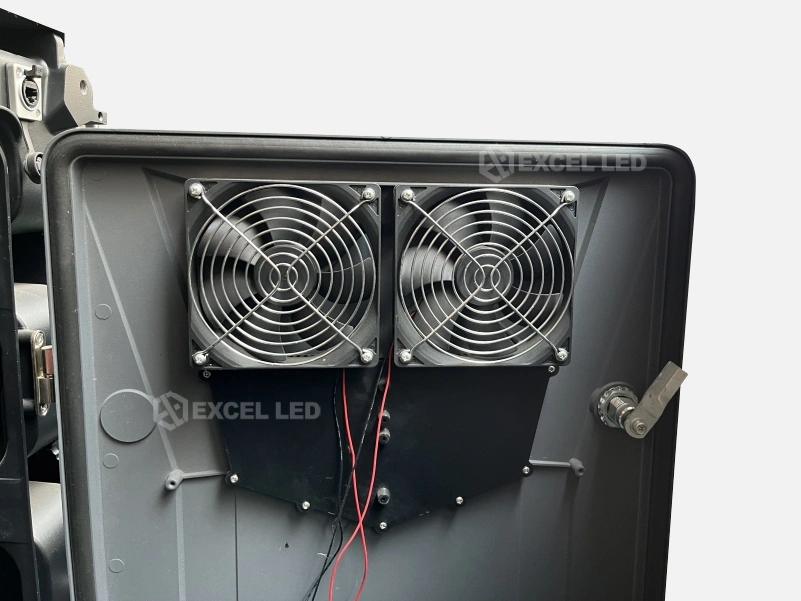
A: Not necessarily. The B Series features two large integrated extraction fans and excellent thermal conductivity from the magnesium cabinet, effectively eliminating the need for bulky AC units in most climates.
A: Maintenance is highly flexible. You can opt for a front service outdoor LED panel design for wall-mounted screens, or rear service if you have a catwalk built behind the billboard.
A: Industry-standard systems like Novastar or Linsn are highly recommended. Our B series uses receiving cards that operate with these once the card model and firmware are confirmed, allowing you to manage your advertising content remotely via cloud software.
A: Yes! The B series framework is designed to support customized curved modules and seamless right-angle splicing, which is what makes immersive naked-eye 3D billboards possible.
A: The B Series supports six main methods: single-pole, double-column, wall-mounted, roof-type, cantilever, and mosaic (embedded) installations.
A: Absolutely. Our front-service modules utilize double waterproof barriers and specialized rubber sealing rings, achieving a rigorous IP65 waterproof rating regardless of the access method.
A: With proper maintenance and our high-quality SMD lamps, the B Series DOOH digital signage lifespan depends on brightness setting and duty cycle rather than on a single rating; ask for theLED manufacturer’s LM-80 data for the lamp actually fitted.
The cabinet weight sets the dead load your structural engineer designs against. At 28kg per 960x960mm cabinet the B Series is lighter than an iron cabinet at large sizes, where our B10 PRO DIP iron cabinets run 45kg at 1280x960mm, but it is the same weight as the aluminium OK Series cabinet at the same footprint. How much that saves depends on the site and the local wind load, so it should be priced by your engineer against both cabinet options rather than assumed.
Both are 960x960mm cabinets at 28kg, so weight does not separate them. The OK Series aluminium cabinet is 77mm deep and is priced for volume rollouts on flat sites. The B Series cabinet is 120mm deep and adds P3 and P4 fine pitch, plus the customised radians that make curved and 3D corner splicing possible. Choose the B Series when the build is curved, when a landmark needs fine pitch, or when the available mounting depth is 120mm or more; choose the OK Series on a flat, shallow-mounted board where fine pitch adds no perceived sharpness.
Related DOOH Solutions
To maximize your advertising reach, Excel LED offers a complete ecosystem of outdoor display solutions. Explore our brother pages to find the right fit for your specific DOOH requirements:
- [OK Series Outdoor Aluminum Display]: The die-cast aluminium 960x960mm cabinet for flat, cost-driven rollouts.
- [A960 Series Commercial LED Screen]: Specialized high-brightness panels for premium roadside advertising.
- [ST960 Series Stadium LED Display]: The heavy-duty die-cast aluminum solution engineered for sports venues and high-impact collision resistance.
- [Metastar Outdoor Rental Series]: If you need temporary outdoor screens for festivals rather than fixed billboards.