
Introduction
As a specialized global manufacturer, Excel LED delivers high-performance commercial LED screen equipment tailored for any environment. Whether you need a front maintenance outdoor LED display for roadside advertising, a robust staging fleet for global concert tours, or a stadium perimeter LED display for live sports, our product matrix ensures uncompromising visual quality.
We categorize our LED display products into three specialized pillars: Stage Rental, Indoor Fine Pitch, and Outdoor & Sports. Manufactured with precision materials like the energy-saving magnesium alloy LED cabinet and advanced COB encapsulation, our panels are engineered to lower your total cost of ownership while maximizing visual ROI.
LED Display Products
Cni Series
Uni COB Series
Ehonor Pro Max
OK Series
A960 Series
A1000 Series
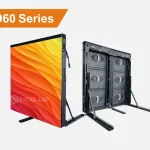
ST960 Series
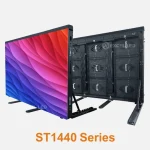
ST1440 Series

Contact Us Now!
Fill out the form below, and our engineering team will provide you with a customized indoor LED display solution and a competitive quote within 24 hours.
LED Display Products Guide: Types, Applications, and How to Choose the Right Screen
LED display products have become essential in modern visual communication because they combine brightness, flexibility, and strong audience impact in one solution.
Businesses use them for advertising, retail promotion, corporate branding, live events, sports venues, control rooms, transportation hubs, and architectural installations. Compared with traditional display systems, LED screens are better suited to large-format communication, dynamic content, and environments where visibility matters most.
This guide is designed to help buyers, project managers, and marketers understand the full LED display product landscape. It explains product types, selection factors, common applications, and the practical questions you should ask before buying.
If your goal is to choose the right display for a real project, not just understand the technology, this article gives you the structure to do that efficiently.
Table of Contents
What Are LED Display Products?
LED display products are digital visual systems that use light-emitting diodes to display images, video, and text. Unlike LCD screens, which rely on a backlight, LED displays generate their own light, which makes them brighter and easier to see in both indoor and outdoor settings.
Most LED display products are built from modular cabinets or panels. This modular design makes it possible to build screens in many different shapes and sizes, from compact indoor walls to giant outdoor billboards. It also allows easier maintenance, because a single module or cabinet can often be replaced without changing the whole system.
For buyers, this means one thing: LED display products are not just screens. They are scalable visual systems that can be adapted to branding, advertising, live performance, and information display across many industries.
Advantages of LED Display Screens
The biggest advantage of LED display screens is visibility. They are designed to remain bright and readable even in strong ambient light, which is why they are so effective in storefronts, stadiums, streets, and outdoor commercial spaces.
Another major advantage is image consistency. A properly selected LED display can show vivid video, crisp graphics, and smooth motion with strong color performance. Smaller pixel pitches improve clarity at close viewing distances, while larger pitches are more cost-effective for long-distance viewing.
LED screens are also highly flexible. They can be used as fixed installations, temporary rental systems, curved creative walls, transparent glass displays, or custom-shaped structures. That flexibility makes them ideal for companies that want one display category to serve multiple use cases over time.
From a business perspective, LED products also offer long-term value. A well-built system can support repeated campaigns, seasonal promotions, and changing content requirements. That is especially important for brands that care about both performance and return on investment.
Main Types of LED Display Products
Indoor LED displays are designed for close viewing environments such as retail stores, conference rooms, shopping malls, studios, control centers, and reception areas. These products usually use smaller pixel pitches because viewers are near the screen and need finer detail.
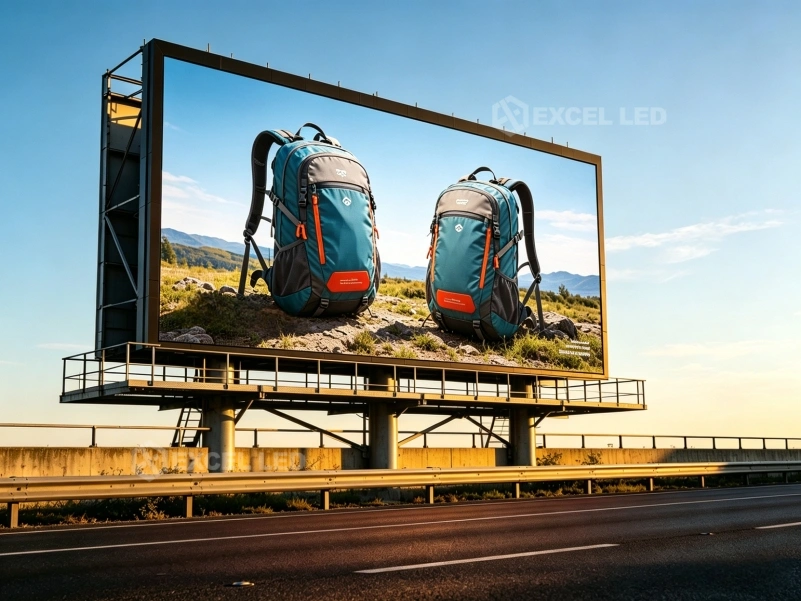
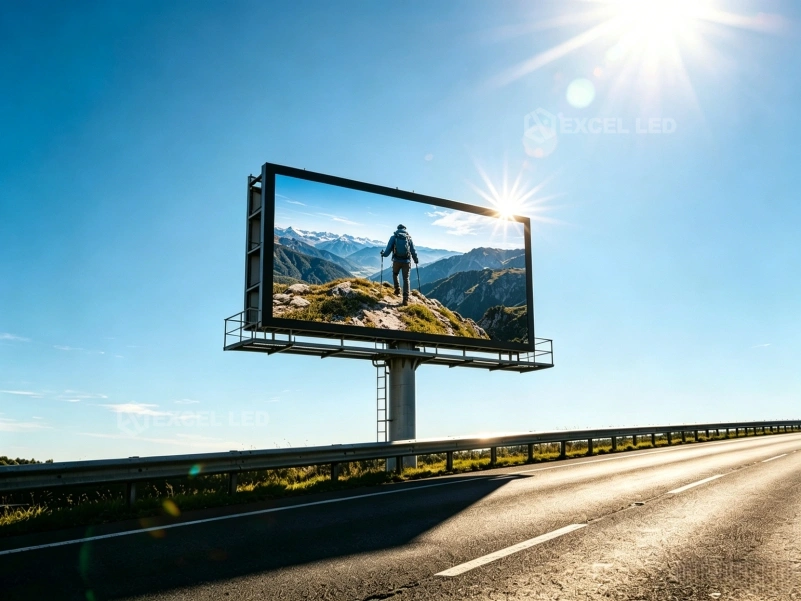
Outdoor LED displays are built for harsh conditions and high visibility. They are commonly used for billboards, stadium advertising, transportation hubs, road-side signage, and building facades. Outdoor models must deliver high brightness and resistance to weather, heat, and dust.
Rental LED displays are created for temporary events and fast deployment. They are widely used in concerts, exhibitions, product launches, live shows, and trade fairs. The key priorities are lightweight structure, quick assembly, and repeated reliability.
Flexible LED displays are used where a standard flat screen is not enough. They can wrap around columns, curve into artistic structures, or support creative stage and retail concepts. Transparent LED displays offer another premium option by maintaining see-through visibility while still delivering digital content, making them ideal for glass surfaces and store windows.
| Product Type | Best For | Main Strength | Typical Priority |
|---|---|---|---|
| Indoor LED Display | Retail, meeting rooms, control centers | High clarity at close viewing distance | Pixel pitch, image detail |
| Outdoor LED Display | Billboards, facades, sports venues | High brightness and weather resistance | Visibility, durability |
| Rental LED Display | Events, exhibitions, live shows | Fast installation and portability | Speed, reliability |
| Flexible LED Display | Creative designs, columns, curved surfaces | Custom shapes and visual impact | Design freedom |
| Transparent LED Display | Glass windows, luxury retail, facades | See-through effect with digital content | Transparency, aesthetics |
Applications of LED Display Products
LED display products are used in retail to attract attention, highlight promotions, and improve storefront appeal. In many shopping environments, a well-placed LED screen becomes part of the store’s visual identity rather than just a media device.
In corporate spaces, LED screens are used for presentations, meeting rooms, brand walls, and visitor-facing reception areas. They help companies project a more modern and professional image while making communication more dynamic and visible.
In events and entertainment, LED displays are essential for stages, concerts, exhibitions, live feeds, sponsor messaging, and immersive backdrops. Their scale and brightness make them one of the most effective tools for large audiences.
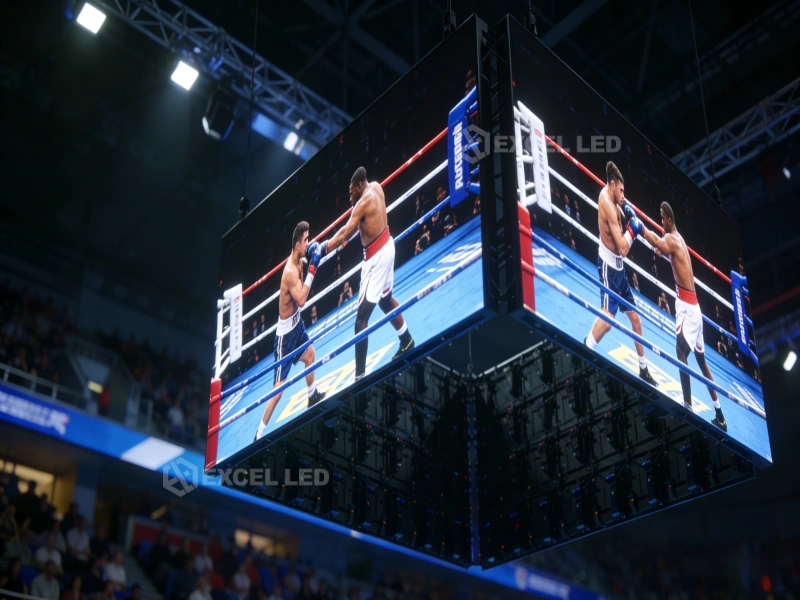
Sports venues rely on LED screens for scoreboards, perimeter advertising, replays, and fan engagement. Public and transportation environments use them for announcements, schedules, warnings, and digital signage. As a result, LED display products have become a standard communication tool across both commercial and public sectors.
| Scenario | Recommended Type | Why It Fits |
|---|---|---|
| Retail store window | Transparent or indoor LED display | Improves branding without blocking space |
| Shopping mall atrium | Indoor fixed LED display | Strong visual impact for medium-distance viewing |
| Outdoor billboard | Outdoor LED display | High brightness and weather resistance |
| Concert stage | Rental LED display | Fast setup and dismantling |
| Corporate lobby | Indoor LED display | Professional presentation and brand identity |
| Glass facade | Transparent LED display | Maintains openness while showing digital content |

How to Choose the Right LED Display Product
The right product depends on viewing distance, installation environment, content type, and budget. The most important technical factor is pixel pitch. A smaller pitch means more pixels per area, which gives higher clarity at close range. A larger pitch is usually better for long-distance viewing and lower overall cost.
As a practical rule, close-view environments such as retail interiors, control rooms, and conference spaces need finer pitches, while outdoor billboards and stadium screens can use wider pitches more efficiently. The viewing distance should always be matched to the pixel pitch, otherwise you either overspend or lose image quality.For a more detailed selection method, see our LED pixel pitch guide
Brightness is the second key factor. Indoor screens need enough brightness to stay visible under lighting conditions, while outdoor screens must remain readable in direct sunlight. If the screen will face rain, dust, heat, or humidity, the protection level and cabinet structure should be part of the selection decision from the start.
Content type matters too. Text-heavy signage, product information, and close-up graphics require better resolution and sharper display quality. Large motion graphics, brand videos, and event visuals may prioritize overall scale and brightness instead. This is why one screen specification cannot serve every project equally well.
Maintenance and service support are also important. Buyers should ask how modules are replaced, whether front maintenance is available, how spare parts are supplied, and what the expected lifespan is. A display is a long-term asset, so the quality of after-sales support affects the real cost of ownership.
Why EXCEL LED Product Range Stands Out
EXCEL LED offers a broad product range that includes indoor fixed LED screens, outdoor fixed LED screens, rental LED displays, flexible displays, transparent LED solutions, and customized project formats. This wide coverage makes it easier to match the right product to the right environment.
The main value of EXCEL LED is not only variety but also customization. Many projects require specific cabinet dimensions, brightness levels, installation structures, or pixel pitches. A supplier that can adapt to the actual project environment is more valuable than one that only offers standard models.
For buyers, this means less guesswork and more confidence. Whether the project is retail-focused, event-driven, or advertising-based, the right partner should help define the use case first and the product second. That approach reduces specification errors and improves project results.

Buying Checklist Before You Decide
Before purchasing LED display products, confirm the viewing distance, installation location, content style, usage frequency, and budget range. These basics determine whether you need an indoor, outdoor, rental, flexible, or transparent model.
Then review the technical details: pixel pitch, brightness, refresh rate, waterproof or dustproof level, cabinet material, maintenance access, and control system compatibility. These are not minor technicalities. They directly affect the screen’s performance and service life.
Finally, think about long-term support. A good LED supplier should provide installation guidance, spare parts support, technical service, and project consultation. That matters especially when the screen is part of a commercial campaign or a customer-facing environment.
Why Choose EXCEL LED
EXCEL LED combines product breadth with project customization, which is especially important for buyers who need more than a standard screen. Instead of forcing every application into one specification, the right solution should adapt to the environment, audience, and content strategy.
This makes EXCEL LED suitable for retail brands, event companies, integrators, advertisers, architects, and commercial buyers who need reliable LED systems with strong visual performance. For complex projects, the ability to customize is often the difference between a screen that simply works and a screen that truly performs.
General FAQ
CTA
If you are planning a new LED screen project, the next step is to define your application, viewing distance, installation environment, and content needs. Once those factors are clear, the display type and technical specification become much easier to select.
Contact EXCEL LED for a tailored recommendation if you need:
A retail LED screen for storefront or indoor branding.
An outdoor LED billboard for high-visibility advertising.
A rental LED solution for events, exhibitions, or stages.
A transparent or flexible LED display for creative projects.
A clear project brief helps you get the right screen faster, with fewer revisions and a better final result.
Contact Us
Have LED projects? Please feel free to contact us at any time, we will respond to you in 24 hours.
Conclusion
LED display products are now a core part of modern communication, branding, and digital signage. Their strength lies in their flexibility, brightness, scalability, and ability to adapt to a wide range of commercial and creative applications.
The best choice is always the one that matches real-world use: audience distance, environment, content type, and long-term operating needs. When selected correctly, an LED display becomes more than a screen. It becomes a durable visual asset that supports brand visibility and business growth over time.