
The global event industry is undergoing a digital renaissance. As concerts, trade shows, and corporate galas strive for higher immersion, the hardware supporting them must evolve. The future trends in rental LED technology are no longer just about “more pixels”; they are about intelligence, extreme durability, and radical efficiency.
For AV rental companies and event organizers, staying ahead of these trends is the difference between owning a premium fleet and owning an obsolete inventory. From the rise of Micro-LED to the integration of Artificial Intelligence, let’s explore the technological shifts that will define the next decade of visual storytelling.
To understand where the industry stands today, revisit our comprehensive pillar page on Rental LED Display technology
1. The Shift to COB and Micro-LED: Radical Durability
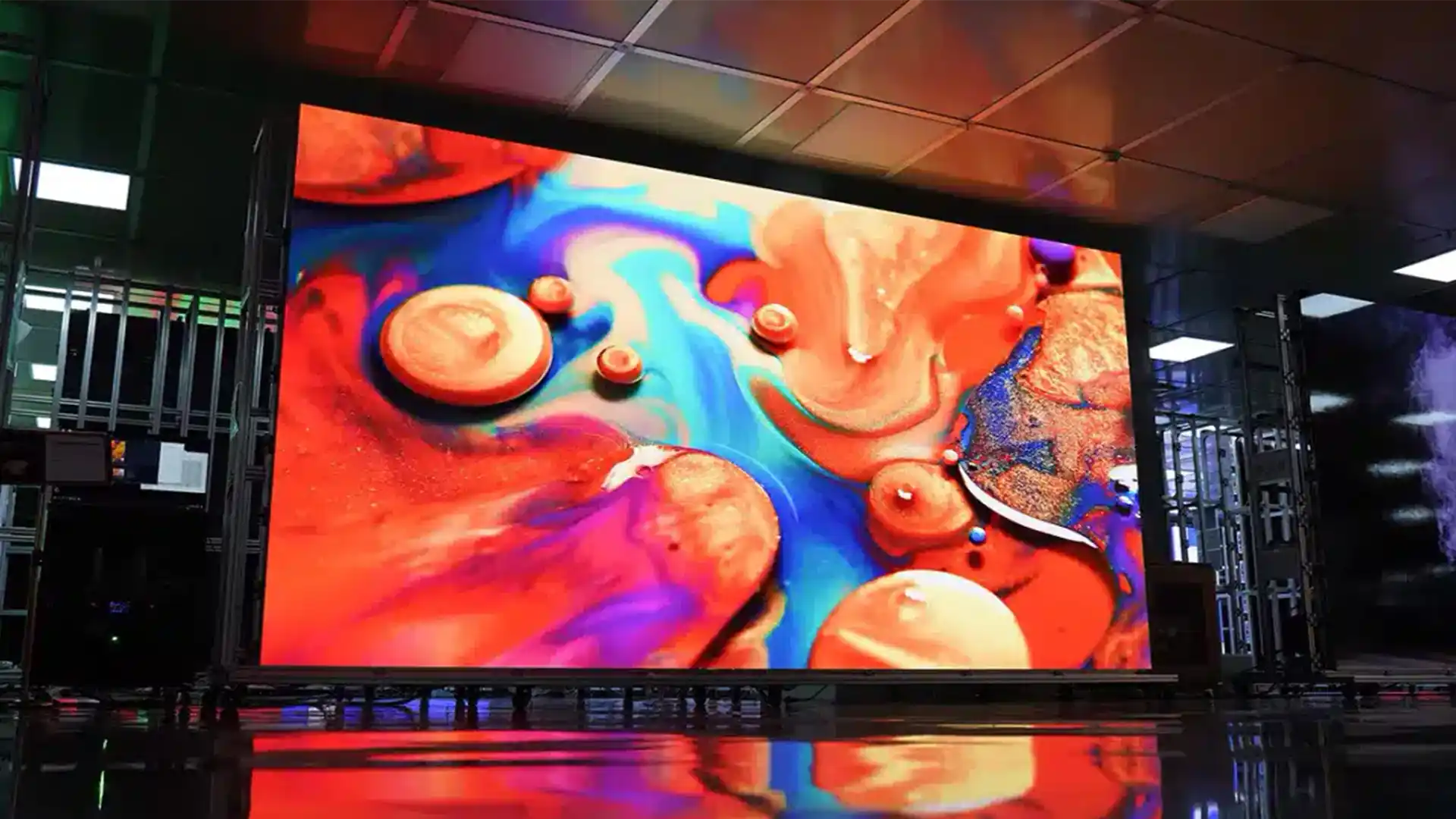
For years, SMD (Surface Mounted Device) technology has dominated the rental market. However, the biggest “pain point” has always been the fragility of the tiny LED beads. The future belongs to COB (Chip on Board) and Micro-LED.
In COB technology, the LED chips are mounted directly on the PCB and covered with a protective resin. This creates a “solid-state” surface that is virtually waterproof, dustproof, and most importantly, impact-resistant. In a rental environment where panels are handled daily, COB reduces “dead pixels” by up to 90%, significantly lowering maintenance costs.
Curious about the technical showdown? Read our detailed comparison on COB vs SMD Rental LED Display to see which fits your inventory.
2. Carbon Fiber and Composite Materials: Slashing Labor Costs
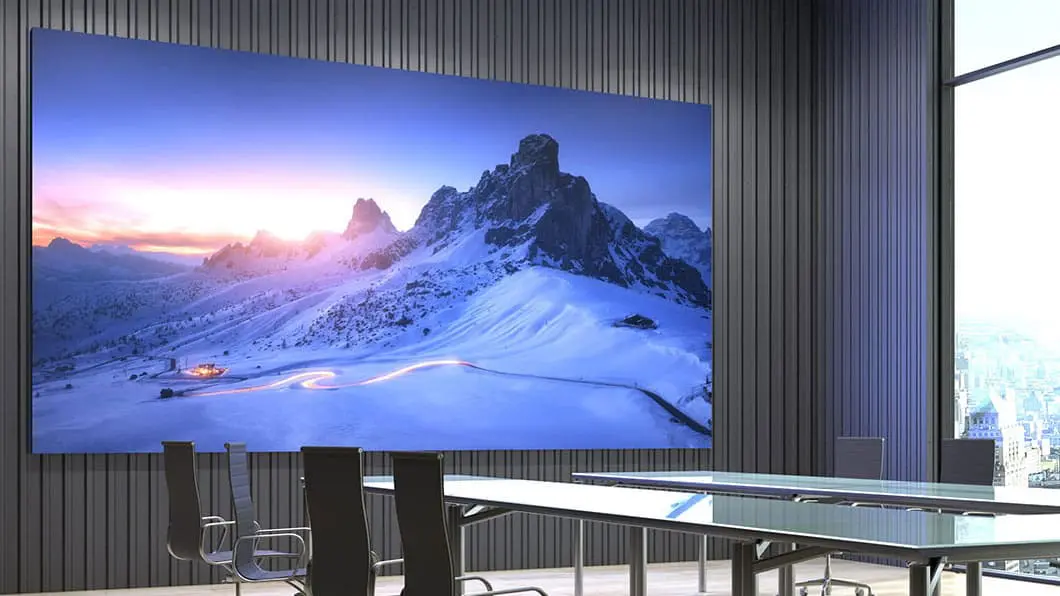
Weight is the enemy of the rental industry. Heavier cabinets mean more stagehands, larger trucks, and higher shipping fuel surcharges. One of the most significant future trends in rental LED technology is the move from die-cast aluminum to carbon fiber and magnesium-carbon composites.
Carbon fiber cabinets can reduce the weight of a standard 500x500mm panel by 30-40%. This allows for taller hanging structures without exceeding truss weight limits and enables a single technician to carry two panels at once, effectively halving the setup time.
3. Foldable and Flexible LED: Revolutionizing Logistics
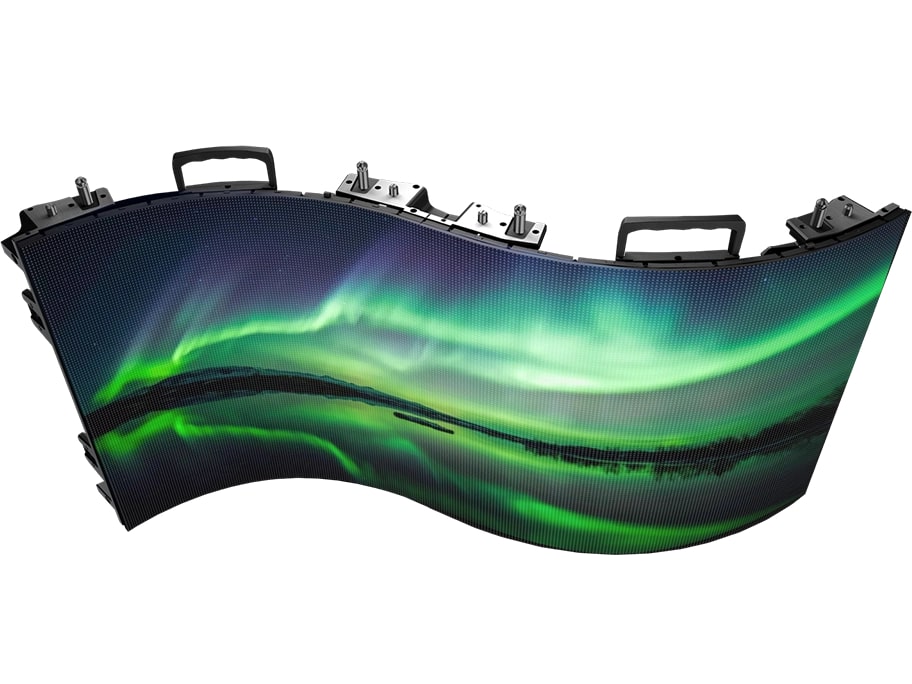
Imagine a 10-square-meter LED wall that folds like a piece of paper and fits into a single small flight case. Foldable LED technology is moving from a “gimmick” to a viable professional solution.
By using flexible PCB substrates and specialized mechanical hinges, these screens eliminate the need for hundreds of individual rigid cabinets. For touring concerts, this means a massive reduction in the number of flight cases required, leading to a much smaller carbon footprint and faster “load-in/load-out” times.
4. AI-Driven Calibration and Automated Diagnostics
Artificial Intelligence is finding its way into the LED controller. Future systems will feature AI-driven pixel calibration. Instead of manually calibrating a wall after assembly, the system will use built-in sensors to automatically detect color inconsistencies and “self-heal” the brightness balance in real-time.
Furthermore, Remote Diagnostics via IoT will allow manufacturers to monitor the “health” of a rental fleet from thousands of miles away. If a power supply in a cabinet is starting to overheat at a music festival, the system will alert the technician on their smartphone before the screen actually fails.

5. Virtual Production and XR (Extended Reality)
The line between live events and cinema is blurring. XR (Extended Reality) stages are becoming a standard requirement for high-end corporate launches and broadcasts. This trend requires rental LED panels with ultra-high refresh rates (7680Hz+), extremely low latency, and high bit-depth to prevent “banding” on camera.
XR technology is already transforming the sports world. See how it’s applied in our guide to Rental LED Screen for Sports Events.

6. Sustainable Tech: “Green” LED for a Circular Economy
Sustainability is no longer optional. Future rental LED technology will focus on Common Cathode technology, which can reduce power consumption by up to 30% and significantly lower heat output. This not only extends the lifespan of the LEDs but also reduces the electricity requirements for large-scale outdoor events.
Additionally, we are seeing a move toward modular recyclability, where cabinets are designed to be easily stripped and recycled at the end of their 7-10 year lifecycle.

7. HDR10+ and 22-bit Color Processing
As content creators move to 8K and beyond, the display must keep up. The future of rental LED is about Dynamic Range. HDR10+ and 22-bit color processing allow for deeper blacks and more detailed highlights. This is particularly vital for Corporate Events where brand colors (like a specific “Ferrari Red” or “Samsung Blue”) must be reproduced with 100% accuracy under high-intensity stage lights.
Achieving cinematic color is a top priority for premium brand activations. Learn more in our section on Rental LED for Corporate Events.
8. Wireless Video Walls: The 5G/6G Integration
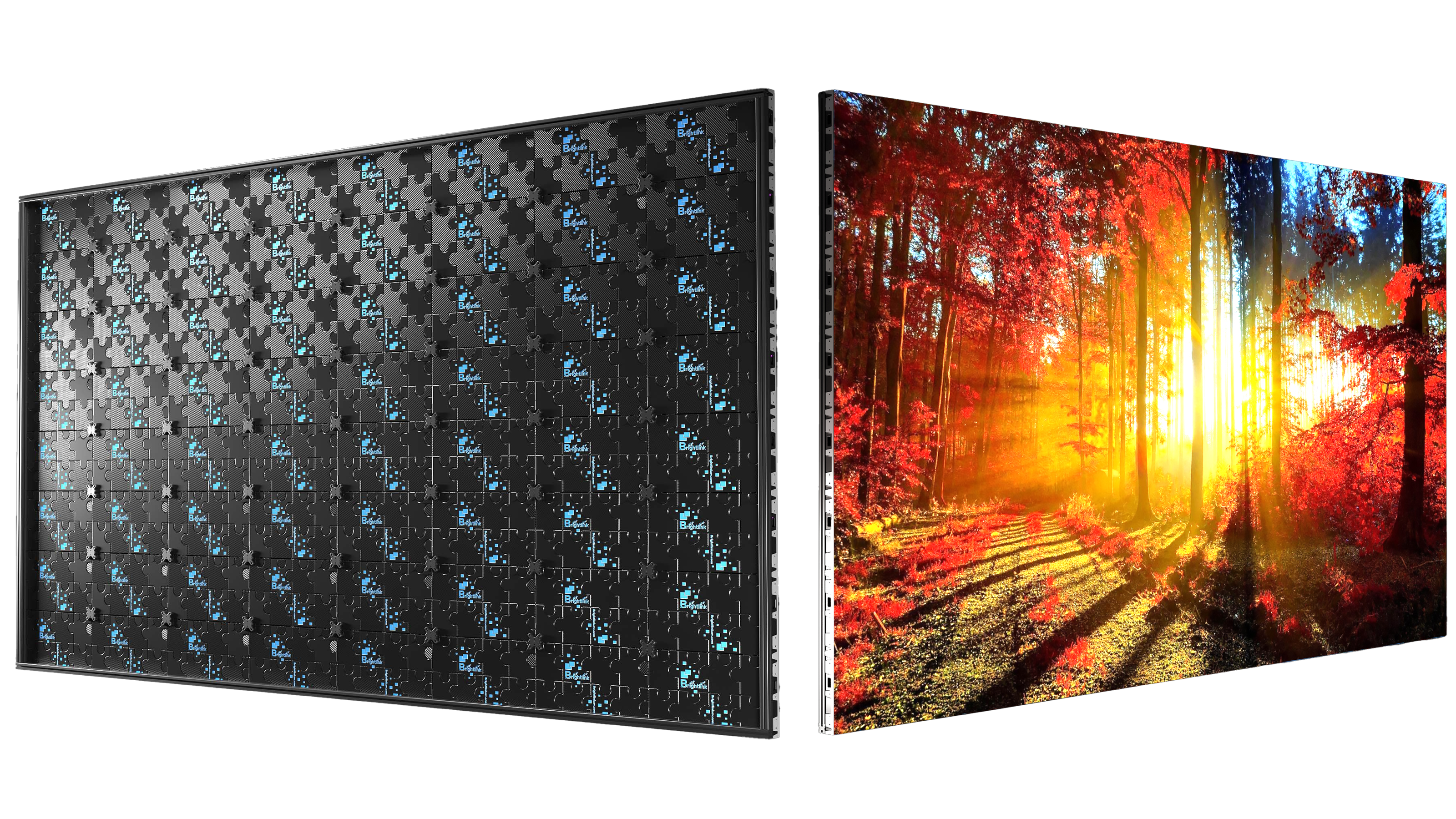
Cabling is the most common failure point in any LED setup. Future trends suggest a move toward Wireless Data Transmission within the LED wall. By utilizing high-frequency 6G or specialized Millimeter Wave (mmWave) technology, cabinets will be able to transmit 4K/8K signals to each other without a single data cable. This will drastically simplify setup and eliminate “signal loss” issues caused by faulty CAT6 cables.

9. All-in-One (AIO) Rental Solutions
For the exhibition and meeting market, we are seeing the rise of All-in-One LED displays. These are pre-configured, foldable, and motorized units that can be wheeled into a room and deployed in 5 minutes. They include the processor, speakers, and power system in a single chassis, making them the perfect “plug-and-play” solution for trade show exhibitors.
10. The Evolution of Flight Cases: Smart Tracking
While not “LED tech” per se, the way we transport these screens is changing. Smart Flight Cases equipped with GPS and G-force sensors are becoming common. These cases track the location of the inventory and record if a case was dropped or mishandled during shipping, providing AV companies with data to hold logistics partners accountable.
Protecting your high-tech investment is crucial. Discover the latest in protective gear in our review of the Best Transport Cases for Rental LED.
11. High-Precision “Fast-Lock” Mechanical Engineering
As pixel pitches get smaller (moving toward P0.9 and P1.2 in the rental market), the mechanical precision of the cabinet must increase. A misalignment of even 0.01mm will result in a visible white line. Future cabinets will use Automated Vacuum Docking and electromagnetic locks to ensure the panels are perfectly aligned every single time, regardless of the skill level of the installation crew.
12. Strategic ROI: Investing for 2030
Buying an LED screen today requires a “future-proof” mindset. AV companies are looking for Universal Platform Designs—cabinets that can accept future module upgrades (e.g., swapping P2.6 SMD modules for P1.9 COB modules in 3 years using the same frame). This protects the initial capital investment and extends the ROI period.
FAQ: Future Trends in Rental LED
1. Is COB really better than SMD for rental use?
Yes, in terms of durability. SMD beads can be easily knocked off during installation. COB has a smooth, hard surface that is “rental-proof.” However, COB is currently more expensive and harder to repair at the individual pixel level.
2. When will 4K become the standard for small rental walls?
We are already there. With pixel pitches dropping to P1.5 and P1.2, a 5-meter wide wall can now easily achieve 4K resolution. The bottleneck is no longer the screen, but the media servers and signal processors.
3. Will wireless LED walls really happen?
The technology exists (using 60GHz wireless). The challenge is “interference” in crowded convention centers. Once 6G protocols are standardized, wireless data between cabinets will likely become a reality for high-end rentals.
4. How does AI help in a live concert environment?
AI can monitor the “thermal map” of an LED wall. If one section of the screen is getting too hot because of a stage light, the AI can automatically dim those specific pixels by 5% to prevent a burnout without the audience noticing.
5. Are foldable LED screens reliable enough for touring?
The first generation had issues with “creases,” but the 2024/2025 models use carbon-fiber hinges that are rated for thousands of folds. They are now being used by major world tours to reduce truck space.
6. Should I wait for Micro-LED before buying a new rental fleet?
Not necessarily. Micro-LED is currently at the “luxury” price point. For a mass-market rental ROI, high-quality P2.6 SMD or COB remains the most profitable investment for the next 3-4 years.
Final Thoughts
The future trends in rental LED technology point toward a world where screens are lighter, smarter, and nearly indestructible. For the professional AV market, the focus is shifting from “how it looks” to “how it performs under pressure.” By embracing COB durability, carbon-fiber portability, and AI-driven intelligence, companies can ensure their visual displays remain at the cutting edge of the event industry.


